As an OEM/ODM manufacturer specializing in B2B custom bag production, SYNBERRY BAG has served well-known brand clients in more than 40 countries worldwide. We understand that when brands choose a manufacturing partner, they care about more than just pricing and lead times—they are equally concerned with one key question: How does the factory ensure consistent and reliable quality across every production batch?
The answer goes beyond strict supervision during the manufacturing process. It begins with the material procurement system.
In this article, we will provide a comprehensive breakdown of SYNBERRY BAG’s end-to-end material sourcing and procurement process, helping brand owners, purchasing managers, and supply chain professionals understand how a professional bag manufacturer leverages systematic material management to safeguard product quality and ensure the success of every order.
I. Why Is Material Procurement the “First Process” of Bag Quality?
When auditing a factory, many brands focus on the sewing workshop and finished-product inspection area, but they often overlook one fact: once defective materials enter the production line, no matter how sophisticated the craftsmanship is afterward, it cannot make up for the problem.
Common material risks include:
-
- Fabric weight deviation: For example, canvas labeled as 12 oz may actually be only 10 oz, resulting in finished products that are soft, lack structure, and have insufficient load-bearing capacity.
- Insufficient color fastness: Color fading and color transfer can easily occur during use. This not only affects the appearance of the bag but may also stain consumers’ other garments, directly damaging the brand’s reputation.
- Insufficient fabric width: This directly leads to increased material consumption during the cutting process, raising overall production costs and disrupting the original cost calculations.
- Failure to meet environmental testing requirements: Harmful substances such as heavy metals and phthalates in dyes or coatings may exceed allowable limits, making the materials unable to pass the quality and compliance requirements of the target market. As a result, the entire shipment may face the risk of being held in inventory or recalled.
- Insufficient zipper tensile strength: Metal zipper pullers may break during load-bearing tests, resulting in customer complaints.
- Hardware oxidation: If the electroplating layer is not thick enough, rust may appear shortly after consumers begin using the product, damaging the brand’s reputation.
Almost all of these issues are directly related to inadequate material procurement and quality control in the early stages. If problems are only identified and corrected after the products have been completed, manufacturers not only face significant rework costs but also risk delaying order delivery, which can have an irreversible impact on a brand’s product launch schedule.
For bag products, the quality of the materials themselves determines the baseline quality of the finished product. No matter how skilled the craftsmanship or how sophisticated the design, substandard raw materials can never be transformed into qualified finished goods.
Therefore, effective quality control does not begin when materials enter production. It starts much earlier—with raw material sourcing and procurement. Carefully screening suppliers and controlling the quality of every batch of incoming materials at the source is the fundamental prerequisite for ensuring consistent quality across the entire order.
This is precisely why material procurement is rightly regarded as the “first step”—and the first line of defense—in bag quality assurance.
II. SYNBERRY BAG Material Procurement Full Process (Six-Step Closed Loop)
Our material procurement process is not simply a matter of “placing an order and receiving goods.” It is a six-step closed-loop system that covers requirement definition, supplier management, incoming material inspection, production allocation, and leftover material traceability.
Step 1: Requirement Analysis and Specification Lock-In
Before each order is initiated, our procurement team conducts a quantitative technical parameter analysis of the materials pre-approved by the client. This parameter sheet serves both as the purchasing standard and as the benchmark for subsequent material inspection.
Key Confirmation Items Include:
|
Confirmation Dimension
|
Specific Content
|
Example
|
|
Fabric Category
|
Material, weaving method, process
|
16oz 100% cotton canvas, plain weave, pre-shrunk
|
|
Weight/Thickness
|
Unit area weight or thickness in mm
|
16oz (approx. 540 GSM)
|
|
Color Standard
|
Pantone code, GCC standard color code, or client-provided swatch
|
Pantone 4052 / GCC163
|
|
Physical Properties
|
Tensile strength, tear strength, color fastness, shrinkage rate
|
Warp tensile ≥800N, color fastness ≥4
|
|
Environmental Compliance
|
Regulatory requirements for target market
|
EU REACH, US CA Prop 65, OEKO-TEX 100
|
|
Functional Requirements
|
Waterproof, flame-retardant, UV-resistant, antibacterial, etc.
|
PU or PVC coating, water pressure resistance ≥3000mm
|
|
Hardware/Accessories
|
Zippers, buckles, webbing, Velcro specifications
|
YKK #5 metal zipper, nickel-free plating, salt spray test ≥48h
|
 Requirement Analysis and Specification Lock-In
Step 2: Supplier Evaluation and Approval
SYNBERRY BAG has established a tiered supplier database, and not all materials are purchased indiscriminately from the market.
Supplier Admission Standards:
2.1 Qualification Review: Business license, environmental discharge permits, quality control system
2.2 On-Site Factory Audit: Annual audits for core fabric suppliers, focusing on weaving workshops, dyeing & finishing workshops, and laboratories
2.3 Sample Testing: New suppliers must provide an A4-sized fabric sample, which our laboratory tests through four basic assessments:
-
- Composition Analysis – using burning method, dissolution method, or infrared spectroscopy
- Color Fastness Testing – dry and wet rubbing, washing, and perspiration tests
- Physical Performance Testing – tensile strength, tear strength, and bursting strength
- Environmental & Safety Testing – checking for phthalates, heavy metals, and azo dyes
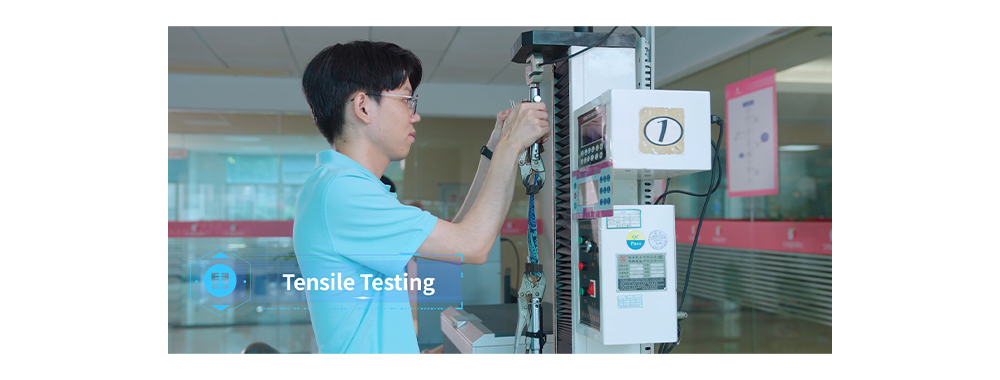 The image shows a fabric tensile strength test.
Supplier Tier Management:
|
Tier
|
Definition
|
Cooperation Strategy
|
|
Grade A
|
No major quality incidents for 3 consecutive years, with a first-pass test rate ≥95%
|
Strategic partner; priority order allocation; joint development
|
|
Grade B
|
Occasional minor issues, but timely corrective actions
|
Standard cooperation with strengthened inspection and sampling
|
|
Grade C
|
Frequent quality issues or poor corrective performance
|
Cooperation suspended; removed from approved supplier list
|
Step 3: Sample Confirmation and Pre-Production Approval (Sealed Sample)
Before bulk procurement begins, we must complete the following sample confirmation process:
-
- A4 samples / color swatches provided by suppliers: Used for preliminary confirmation of color and fabric density.
- Pre-production samples made by SYNBERRY BAG: A 1:1 finished bag is produced using actual bulk materials to conduct pre-production testing. Only after all raw materials and accessories are confirmed qualified can bulk production begin.
- Client-signed approval samples: Final confirmation is provided by the brand customer, in duplicate, with each party retaining one copy.
- Archiving of raw materials and components: Approved samples of fabrics, linings, zippers, buckles, and other accessories are retained and sealed for more than 12 months. If any abnormality occurs after shipment, they can be used as reference evidence.
- Sealed sample management: All approved and signed samples are stored in a dedicated sample room and labeled with the order number, client name, material batch number, supplier name, and production date.
The purpose of this step is to transform subjective perception into objective standards. When bulk goods arrive, quality inspectors can compare them directly against the sealed samples instead of relying on memory for judgment.
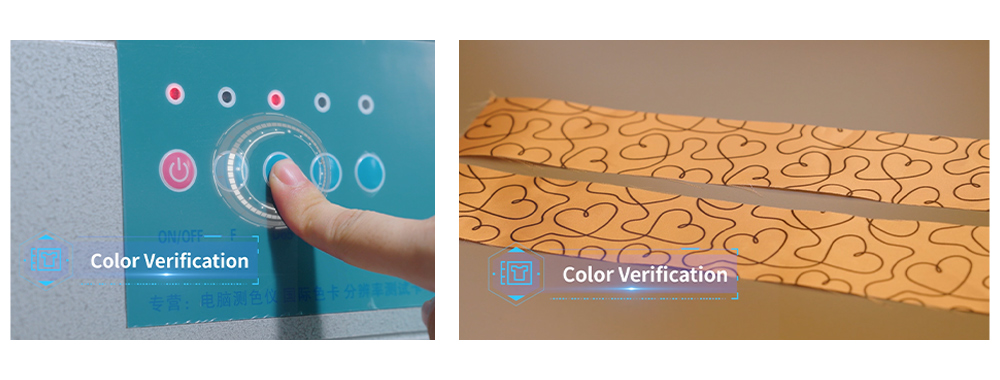
The image shows the use of a professional spectrophotometer to verify the color of different fabric batches.
Step 4: Bulk Procurement and Incoming Quality Inspection (IQC)
After bulk materials arrive at the factory, an Incoming Quality Control (IQC) process is carried out as follows:
4.1 Quantity Verification
-
- Verify the item name, specification, and quantity against the delivery note and purchase order
- Weight sampling inspection: Weigh each roll of fabric to verify whether the actual meter/yardage is sufficient
4.2 Appearance Inspection (100% inspection or AQL sampling)
-
- Color variation: Color differences between rolls, and between the beginning, middle, and end of each roll (graded using a grey scale; ≥ level 4 is considered acceptable)
- Defects: Broken warp, broken weft, reed marks, oil stains, holes, and skewed weft
- Width: Check whether the measured fabric width deviation is within ±2% of the specification
4.3 Physical Performance Sampling
-
- For each batch, 3% of rolls are randomly selected and sent to the laboratory for re-testing of tensile strength, color fastness, and shrinkage rate
- If any item fails, the entire batch is rejected or downgraded for alternative use
4.4 Environmental & Safety Sampling
-
- For each batch, 1 meter of fabric is retained and archived for at least 2 years for third-party inspection or customer complaint traceability
- For EU/US orders, depending on market compliance requirements for different product categories, samples from each batch are sent to third-party laboratories (such as SGS or Intertek) for relevant compliance testing
Handling of Non-Conforming Materials:
-
- Minor defects (e.g., localized color variation): Communicate with the brand in a timely manner to determine whether the material can be downgraded for non-visible areas or restricted applications
- Severe non-conformity: The entire batch is returned and strictly prevented from entering the production process
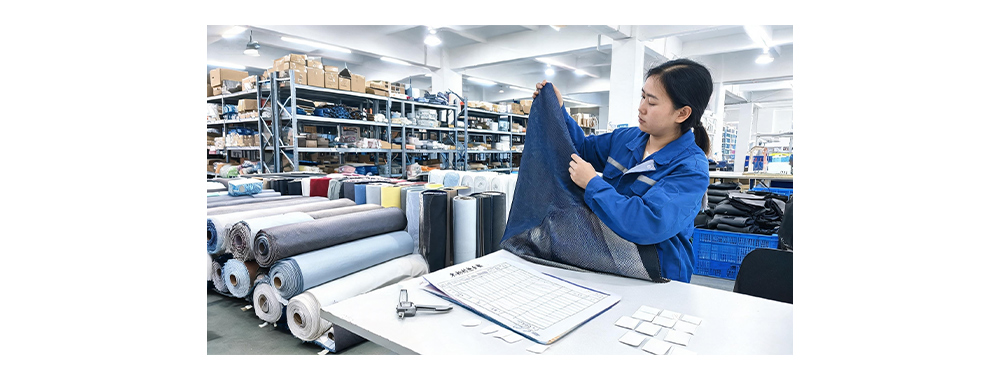
Step 5: Production Allocation and On-Site Material Management
Qualified fabrics are transferred to the material warehouse and managed under a strict batch control system:
-
- FIFO (First-In, First-Out): Materials are used in the order they are received to prevent long-term storage and material aging
- Zoned storage: Fabrics are separated by material type, customer order, and color to avoid cross-mixing
- Temperature and humidity control: The fabric warehouse is kept well-ventilated and dry, with humidity controlled at ≤70% to prevent mold growth
- Clear labeling: Each roll of fabric is labeled with product name, specification, batch number, storage date, and inspection status
- Production material issuance: When issuing materials to the cutting department, the warehouse manager and cutting supervisor jointly verify the “Production Material Requisition Form” to ensure consistency between issued batches and order requirements
- Full-process on-site inspection: On-site QC conducts regular inspections of materials in production. If color deviation or defects are detected, production is immediately halted and reported to the quality control department for traceability and corrective action. Defective materials are strictly prohibited from entering the next sewing process. If minor defects are found within the same batch, they are separately isolated and stored, and are not allowed to enter normal production flow
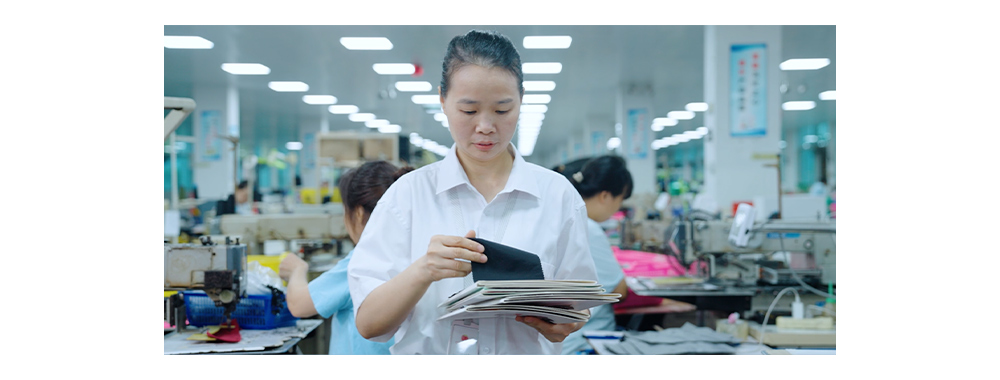 The image shows on-site QC conducting routine inspections.
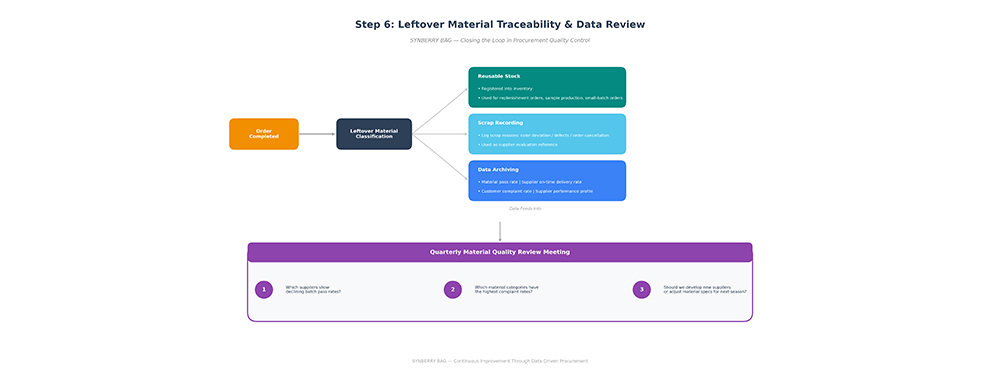
Step 6: Material Traceability and Data Review
After an order is completed, leftover materials are not simply discarded. Instead, they are managed through a dedicated leftover material management system:
-
- Usable leftover materials: Registered and stored in inventory for future use, such as customer reorders, sample production, or small-volume orders
- Scrapped leftover materials: Disposal records are documented with reasons (e.g., color deviation, defects, order cancellations), serving as part of supplier evaluation criteria
- Data archiving: The material qualification rate, supplier on-time delivery performance, and customer complaint rate for each order are recorded in the system to form a supplier performance profile
Each quarter, the procurement and quality control departments hold a material quality review meeting to analyze:
-
- Which suppliers show declining batch qualification rates?
- Which material categories have the highest customer complaint rates?
- Whether new suppliers should be developed or material specifications adjusted for the next season
This closed-loop system ensures that SYNBERRY BAG’s material procurement framework is continuously evolving rather than remaining static.
III. Key Procurement Points for Different Materials
Different materials carry very different risk factors. Here are SYNBERRY BAG’s practical insights from procurement experience:
1. Canvas / Cotton & Linen
-
- Weight traps: Fabric weight deviations are common and must be verified by weighing upon warehouse entry
- Shrinkage: Unpre-shrunk canvas can deform significantly after the first wash when made into bags. Suppliers must provide pre-shrunk treatment or the factory must pre-shrink in-house
- Organic cotton certification: If the client requests organic cotton, GOTS or OCS certificates must be checked, and it must be confirmed that the certificate scope covers the specific supplier
2. Nylon / Polyester
-
- Denier and density: Differences between 210D, 420D, and 600D fabrics are not only in thickness but also in weaving density. Fabrics with insufficient density, even if the denier is correct, will have greatly reduced tensile and abrasion resistance. Warp and weft density must meet specification requirements
- Waterproof coating: Uneven PU or PVC coating thickness can lead to inconsistent waterproof performance. Water pressure testing is required
- Recycled materials: Recycled polyester (rPET) must be accompanied by a GRS (Global Recycled Standard) certificate, and the recycled content ratio must be verified
3. PU / PVC Synthetic Leather
-
- Harmful substances: Focus on phthalates, azo dyes, and heavy metals, especially for EU/US exports
- Peel strength: The peel strength between the PU layer and base fabric must be ≥1.5 kg/cm; otherwise, delamination may occur during use
- Hydrolysis resistance: For PU leather used in humid regions (e.g., Southeast Asia), select hydrolysis-resistant formulas to prevent powdering within six months
4. Hardware (Zippers, Buckles, Hooks)
-
- Salt spray test: Metal parts must pass a 24-hour salt spray test to ensure they do not rust
- Tensile test: Zipper pulls, D-rings, and hooks must withstand the specified tensile load (e.g., zipper pull ≥50 kg)
- Nickel release: Metal parts for EU export must comply with REACH Annex XVII nickel release limits
5. Webbing / Elastic / Velcro
-
- Color fastness: Dark-colored webbing (e.g., black, navy) is prone to fading and must be tested thoroughly
- Velcro durability: Velcro must maintain at least 70% of its adhesion strength after 5,000 open-and-close cycles to be considered acceptable
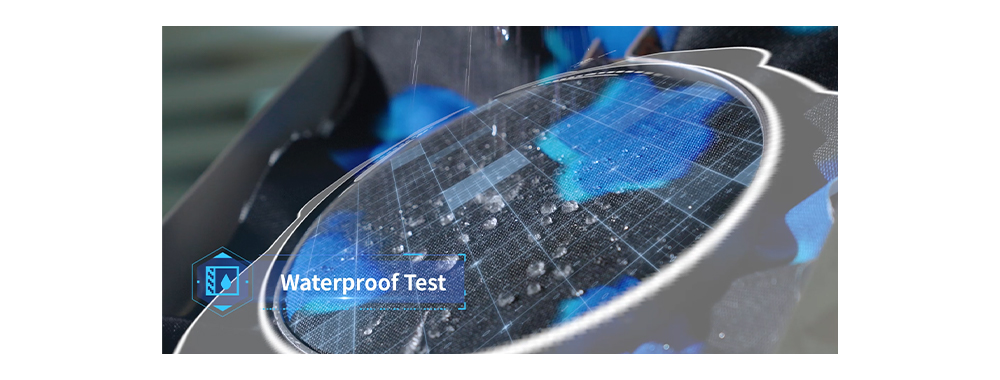 The image shows a waterproof test being conducted on polyester fabric using professional equipment
IV. Sustainable Procurement: SYNBERRY BAG’s Green Supply Chain Practices
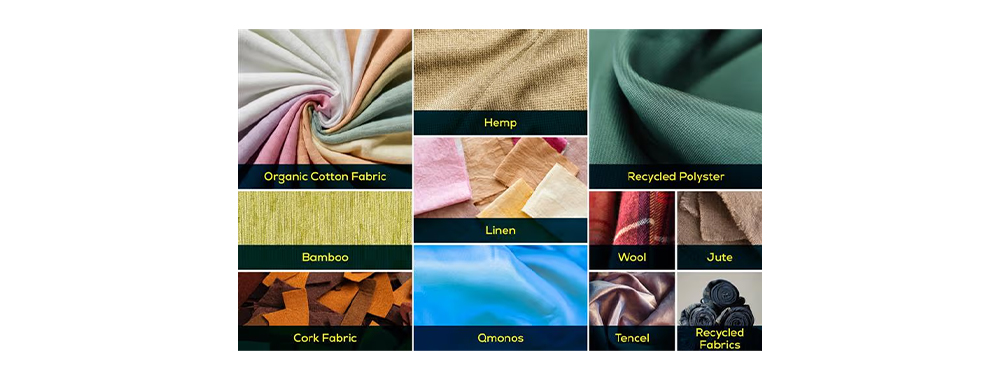
More and more brand clients are incorporating sustainable materials into their procurement standards. At SYNBERRY BAG, we have already established the following capabilities in material sourcing:
Our procurement team proactively provides material substitution solutions for brands. For example, replacing virgin polyester with recycled polyester typically increases cost by around 8–12%, but it supports the brand’s ESG narrative and meets the sustainability requirements of European and American retailers.
V. How B2B Clients Participate in SYNBERRY BAG’s Material Decision-Making
We encourage brand partners to actively participate in the following stages rather than passively accepting factory decisions:
-
- Material recommendation stage: Share your target price range and desired texture; we will provide 2–3 material options along with physical swatches for comparison
- Pre-production sample confirmation: Clients are encouraged to personally evaluate the actual hand feel, color, and compatibility with the final product. Any adjustments can be made at this stage
- Sealed sample confirmation stage: Please carefully verify the final approved sample before signing. Once signed, the sealed sample will serve as the inspection standard for bulk production, ensuring alignment between both parties on material requirements
- Early definition of special requirements: Functional requirements such as flame retardancy, waterproofing, or antibacterial treatment must be specified at the quotation stage rather than added during bulk production

Conclusion: Material Procurement as an Invisible Competitive Advantage
In the bag manufacturing industry, the sophistication of the material procurement process directly determines whether a factory can consistently deliver products that are “equally good in every batch.”
SYNBERRY BAG’s six-step closed-loop material procurement system—from requirement definition, supplier qualification, sample sealing, incoming quality inspection, and production allocation, to data review—is essentially a risk-prevention system shifted upstream.
We have moved the starting point of quality control from the finished goods inspection stage to the raw material warehouse, and even further upstream to the weaving workshops of our suppliers.





 NETWERK ONDERSTEUND