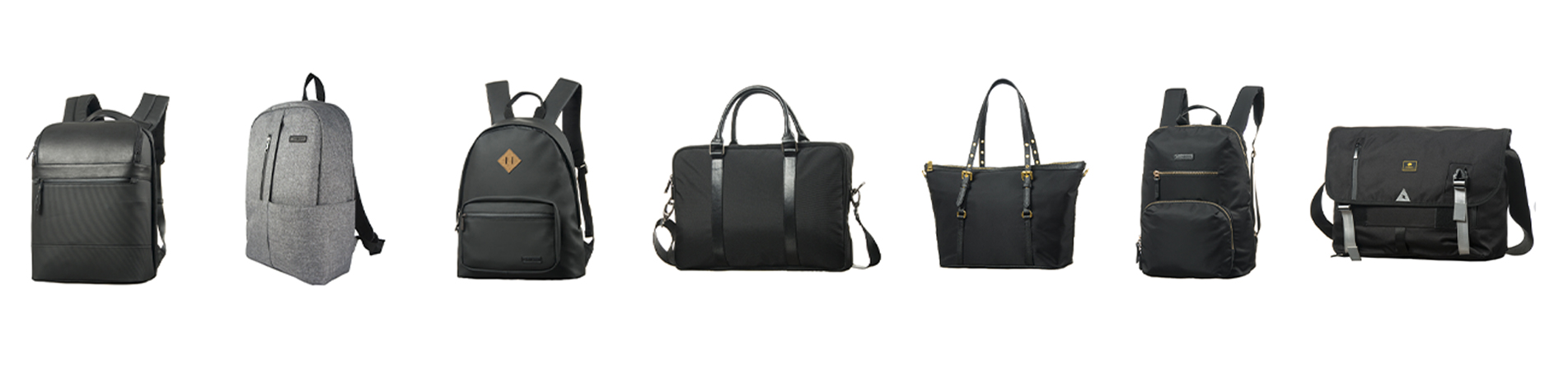
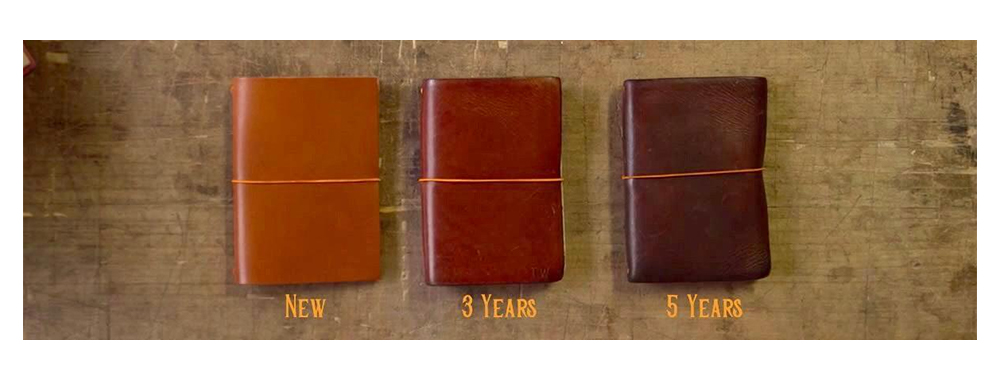
Plantaardig gelooid leer wordt vaak gekozen omdat het iets kan wat veel gecoate of synthetische materialen niet kunnen: het registreert gebruikssporen. Zonlicht verdiept de kleur geleidelijk. Door veelvuldig gebruik wordt het oppervlak na verloop van tijd gladder. Natuurlijke oliën van de handen zorgen voor donkerdere tinten op de hoeken, handvatten, vouwen en rond gespen.
Deze visuele eigenschap heeft plantaardig gelooid leer tot een favoriet gemaakt bij veel leermerken, cadeauwinkels en ontwikkelaars van producten in vintage-stijl. Zij waarderen het unieke 'verouderingsproces' van plantaardig gelooid leer: elk afgewerkt product ontwikkelt geleidelijk een unieke patina door dagelijks gebruik, waardoor een kenmerkende afdruk ontstaat die alleen van de eigenaar is. Dit evoluerende karakter is tevens het meest unieke kenmerk dat het onderscheidt van andere soorten gelooid leer.
Inhoudsopgave:
Plantaardig gelooid leer is leer dat door middel van een gecontroleerd looiproces met plantaardige looistoffen (tannines) is omgezet van bewerkte dierenhuiden tot stabiel leer.
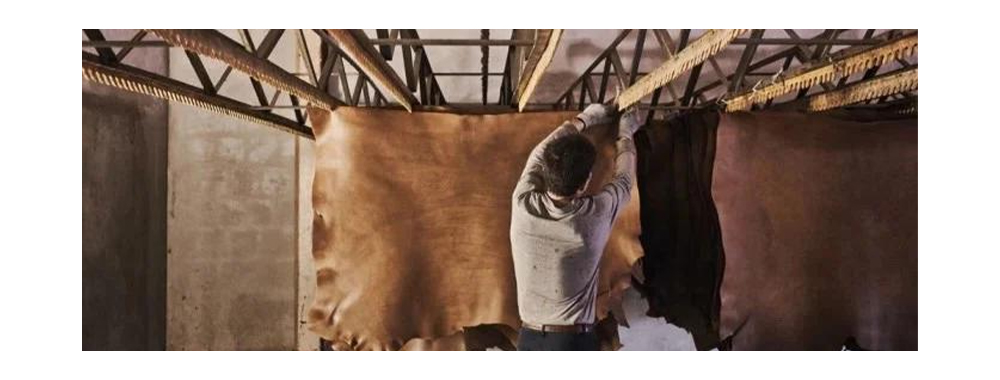
Wanneer een dierenhuid wordt verwijderd, is het in wezen een stuk eiwit dat van nature zal ontbinden. Om er duurzaam leer van te maken, moeten looimiddelen dwarsverbindingen creëren met de collageenvezels in de huid. Tannines binden zich aan de collageenstructuur, waardoor het leer beter bestand is tegen bederf en tegelijkertijd zijn karakteristieke stevigheid, natuurlijke nerf, uitstekende bewerkbaarheid, superieure randkwaliteit en kenmerkende verouderingseigenschappen krijgt.
Bij de moderne leerproductie wordt voornamelijk gebruikgemaakt van chroomlooiing met driewaardige chroomzouten. Dit proces biedt snelle productie, lagere kosten en een zachter eindresultaat. Plantaardig looien daarentegen grijpt terug op een methode die al duizenden jaren door de mens wordt gebruikt. Natuurlijke tannines worden gewonnen uit plantaardig materiaal zoals schors, hout, bladeren, vruchten en zaaddozen, waardoor de leervezels zich geleidelijk kunnen 'zetten' gedurende enkele weken of zelfs maanden.
Dit langzame proces vormt de basis van alle bepalende kenmerken van plantaardig gelooid leer.
Door de lange looiperiode en de diepe penetratie van tannines wordt de vezelstructuur van plantaardig gelooid leer grondig getransformeerd. Het afgewerkte leer is stevig, dicht en kan worden gepolijst tot een gladde, spiegelende rand – iets wat bij chroomgelooid leer moeilijk te bereiken is. Tegelijkertijd behoudt het oppervlak van plantaardig gelooid leer, doordat er geen zware synthetische harslagen worden gebruikt, zijn meest natuurlijke, onbehandelde uiterlijk: poriën blijven duidelijk zichtbaar, terwijl natuurlijke littekens, groeistrepen en aderpatronen openlijk worden getoond.
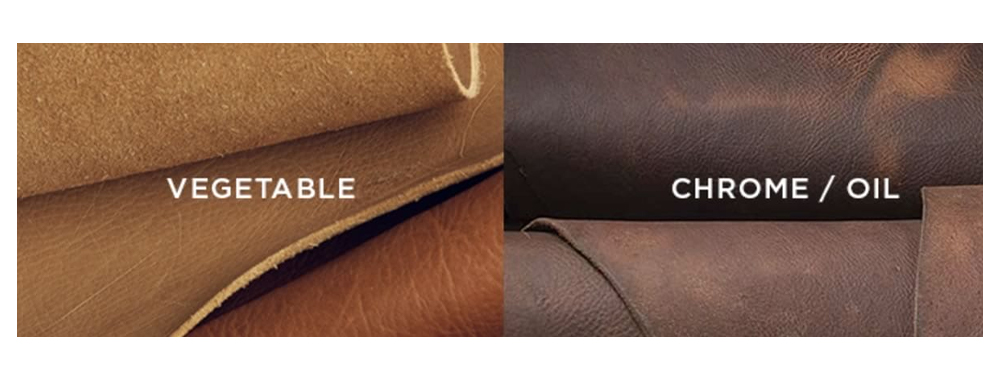
Voor veel kopers die voor het eerst plantaardig gelooid leer tegenkomen, is de belangrijkste vraag: Wat is het verschil met gewoon volnerf rundleer? In werkelijkheid wordt het verschil bepaald op het moment dat het looiproces is voltooid.
Vergelijking | Plantaardig gelooid leer | Chroomgelooid leer (gangbaar) |
bruiningsmiddel | Plantaardige tannines (natuurlijk) | Driewaardige chroomzouten (chemisch) |
Zonnebanktijd | Enkele weken tot enkele maanden | 1-3 dagen |
Afgerond gevoel | Stevig en gestructureerd, aanvankelijk vrij stijf. | Zacht, soepel en flexibel, direct uit de productie. |
Oppervlakte-uiterlijk | Minimale of geen make-up, voor een natuurlijke, "ongeschminkte" look. | Meestal voorzien van een afwerking die oneffenheden kan verbergen. |
Kleurstabiliteit | Verkleurt en verandert door zonlicht en gebruik, waardoor een patina ontstaat. | De kleur wordt na de productie gefixeerd en blijft relatief stabiel. |
Randafwerking | Kan worden gepolijst tot een gladde, spiegelachtige afwerking. | Doorgaans is randverf nodig om de randen te bedekken. |
Waterbestendigheid | Slechte kwaliteit; blootstelling aan water kan verkleuring en verstijving veroorzaken. | Beter; waterdruppels vormen zich dan als druppels en rollen er vanzelf af. |
Geschikt voor massaproductie | Lager | Hoger |
Een veelvoorkomend misverstand moet worden rechtgezet: plantaardig gelooid leer en volnerfleer zijn geen tegenstrijdige begrippen. Volnerfleer beschrijft welk deel van de huid wordt gebruikt – de bovenste laag die niet is geschuurd of gepolijst. Plantaardig looien daarentegen beschrijft de looimethode. Een stuk volnerf rundleer kan plantaardig gelooid of chroomgelooid zijn.
Desondanks wordt hoogwaardig plantaardig gelooid leer op de markt doorgaans gemaakt van eersteklas volnerfleer. Omdat plantaardig gelooid leer geen dikke oppervlaktecoatings nodig heeft om imperfecties te verbergen, is de inherente kwaliteit van het leer volledig zichtbaar op het afgewerkte oppervlak.
Plantaardig gelooid leer is geen wondermiddel. Het is vergelijkbaar met een stuk jade dat zorgvuldige verzorging nodig heeft; de sterke en zwakke punten ervan zijn even uniek.
1. Een uniek karakter, gevormd door de tijd.
De grootste aantrekkingskracht van plantaardig gelooid leer schuilt in de manier waarop het zich in de loop der tijd ontwikkelt. Natuurlijk plantaardig gelooid leer begint met een lichtbeige tint en wordt geleidelijk donkerder door blootstelling aan zonlicht, lichaamswarmte en de opname van natuurlijke oliën van de handen. Na verloop van tijd evolueert het naar karamel- of honingtinten en ontwikkelt het uiteindelijk een patina die uniek is voor de eigenaar. Deze eigenschap, "hoe meer je het gebruikt, hoe mooier het wordt", is iets wat geen enkel zwaar afgewerkt leer echt kan evenaren.
2. Een natuurlijk duurzaam verhaal
De looistoffen die bij plantaardig looien worden gebruikt, zijn afkomstig van hernieuwbare plantenbronnen. In vergelijking met afvalwater van chroomlooien is de afvalvloeistof die bij plantaardig looien ontstaat veel beter biologisch afbreekbaar. Voor merken die duurzaamheid hoog in het vaandel hebben staan, is plantaardig gelooid leer een van nature milieuvriendelijk materiaal dat weinig uitleg behoeft.
3. Polijstbare, spiegelgladde randen
Onder invloed van tannines met een hoge dichtheid worden de vezels van plantaardig gelooid leer zo compact dat de randen gepolijst kunnen worden tot een spiegelglad oppervlak, net als bij hout. Hierdoor krijgen handgemaakte tassen van topkwaliteit strakke, verfijnde randen zonder dat er randverf nodig is – een van de belangrijkste redenen waarom veel ambachtelijke leerbewerkers de voorkeur geven aan plantaardig gelooid leer.
4. Bewezen duurzaamheid op lange termijn
Hoewel plantaardig gelooid leer in het begin stevig aanvoelt, wordt het geleidelijk zachter bij gebruik, terwijl de vezels hun uitzonderlijke sterkte behouden. Een goed onderhouden tas van plantaardig gelooid leer kan vaak meer dan tien jaar meegaan.
1. Zeer gevoelig voor water en oliën
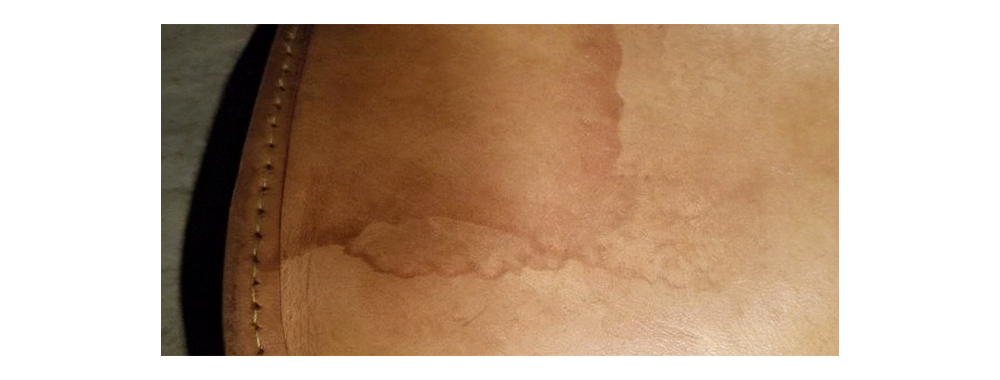
Omdat plantaardig gelooid leer geen waterdichte coating heeft, kan zelfs een enkele waterdruppel een donkere vlek achterlaten. Natuurlijke huidoliën, zonnebrandcrème en zelfs de indigokleurstof van denim kunnen in het leer doordringen en zijn niet weg te vegen. Voor liefhebbers zijn deze vlekken tekenen van tijd en karakter; voor veel consumenten worden ze simpelweg als onacceptabele vlekken beschouwd.
2. Moeilijk om een consistente kleur tussen batches te behouden.
De kleur van plantaardig gelooid leer blijft zich ontwikkelen, zelfs na de productie. Twee huiden uit dezelfde partij, die aan weerszijden van een magazijn worden opgeslagen, kunnen na slechts drie maanden merkbaar verschillende tinten vertonen.
3. Minder geschikt voor massaproductie met hoge snelheid
De stevige structuur zorgt voor meer weerstand tijdens het naaien, terwijl de afwerking van de randen meerdere rondes van schuren, waxen en polijsten vereist. Hierdoor is de benodigde arbeidstijd doorgaans veel langer dan bij chroomgelooid leer.
Op basis van de hierboven besproken eigenschappen heeft plantaardig gelooid leer een duidelijk afgebakend toepassingsgebied voor de productie van tassen.
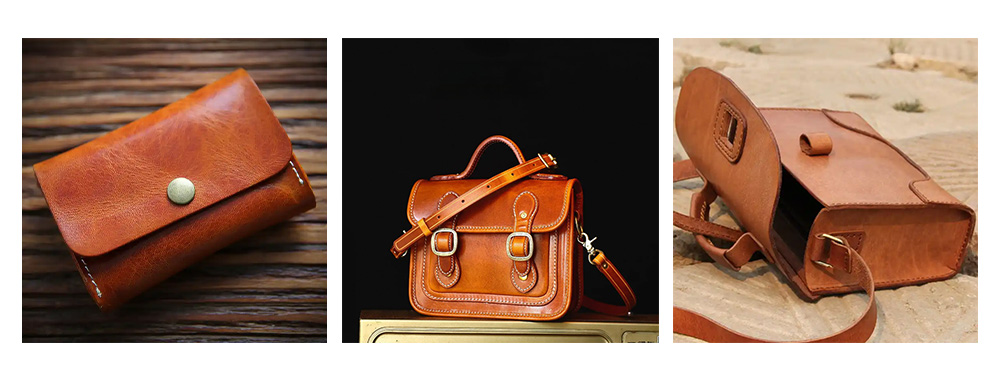
Veel handtasmerken die klantbeleving vooropstellen, introduceren bewust natuurlijk plantaardig gelooid leer in hun kernassortiment. Zo moedigen ze klanten aan om hun tassen te 'verouderen' door dagelijks gebruik. Deze unieke interactie tussen de eigenaar en het leer creëert een zeer persoonlijke beleving, wat de aantrekkingskracht van het product aanzienlijk vergroot, mond-tot-mondreclame stimuleert en de klantloyaliteit versterkt. Het is ook een van de redenen waarom plantaardig gelooid leer een uitstekende keuze is geworden voor boetiekmerken die zich op een betekenisvolle manier willen onderscheiden.
Plantaardig gelooid leer heeft weinig tot geen chemische oppervlaktebehandeling. De stevige vezelstructuur, het vermogen om vocht en oliën te absorberen en de neiging om van kleur te veranderen bij blootstelling aan hitte, geven het zowel duidelijke voordelen als beperkingen als het gaat om het aanbrengen van logo's. Hieronder staan een aantal methoden die in onze productie-ervaring effectief zijn gebleken, evenals technieken die u beter kunt vermijden.
Aanbevolen methoden
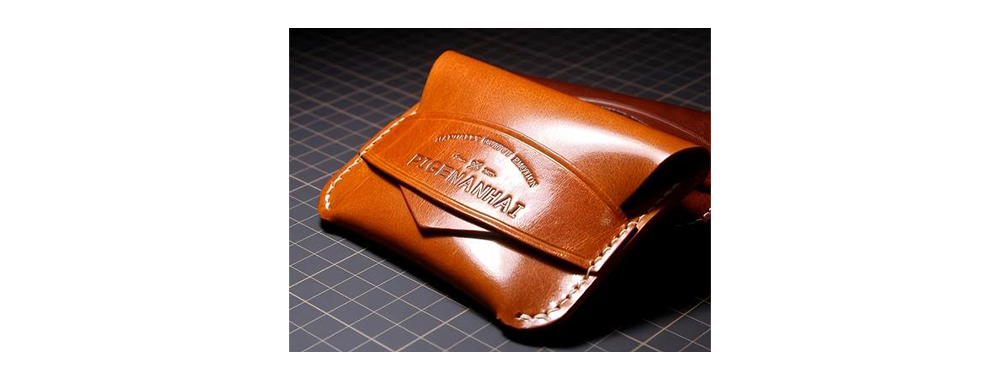
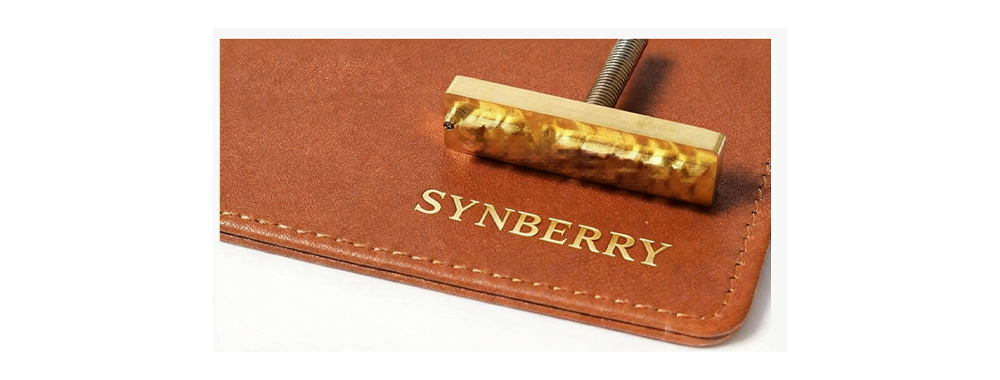
Deze logotechniek sluit het beste aan bij het karakter van plantaardig gelooid leer. Met een verhitte messing matrijs wordt druk uitgeoefend, waardoor een verzonken of verhoogde afdruk in het leeroppervlak ontstaat. Omdat er geen extra materiaal wordt toegevoegd, wordt het logo een integraal onderdeel van het leer zelf. Naarmate het leer in de loop der tijd een patina ontwikkelt, worden de reliëfranden geleidelijk gladder en krijgen ze een subtiele, natuurlijke glans.
Praktische overwegingen:
Door foliedruk wordt plantaardig gelooid leer een verfijnd metallic accent gegeven. Het onafgewerkte oppervlak van het leer is echter een tweesnijdend zwaard: omdat de folie direct in contact komt met de leervezels, is de hechting vaak minder betrouwbaar dan bij chroomgelooid leer met een afgewerkte coating.
Praktische overwegingen:
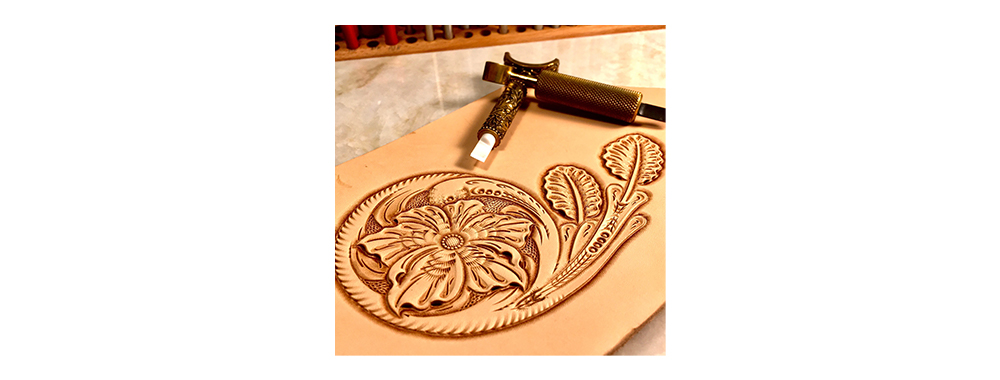
Als er één techniek is die bij uitstek geschikt lijkt voor plantaardig gelooid leer, dan is het wel leersnijden (tooling). Plantaardig gelooid leer is stevig, heeft een dichte vezelstructuur en is zeer kneedbaar wanneer het vochtig is. Wanneer snijgereedschap over het oppervlak beweegt, ontstaan er scherpe, goed gedefinieerde patronen die hun vorm behouden. Het gesneden ontwerp kan vervolgens verder worden verfraaid met verven, vergulden, een antieke afwerking of andere decoratieve behandelingen.
Praktische overwegingen:
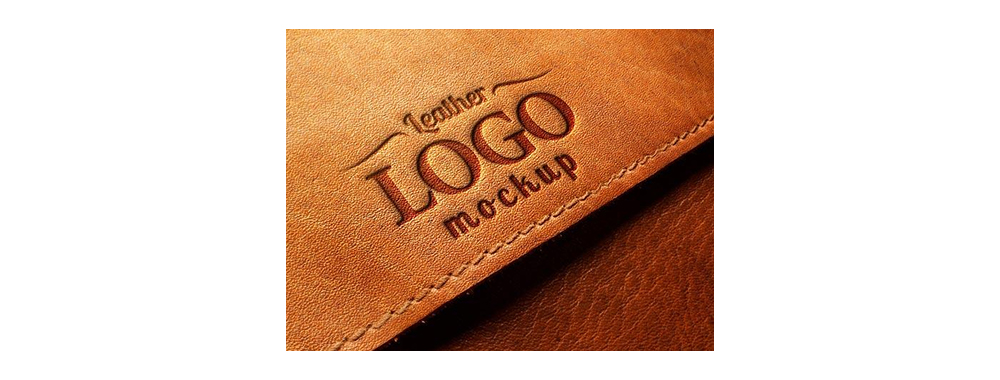
Lasergraveren kan complexe vectorafbeeldingen en zelfs grijstinten reproduceren zonder dat daarvoor speciaal gereedschap nodig is. Plantaardig gelooid leer reageert echter heel anders op lasergraveren dan synthetisch leer of chroomgelooid leer.
Praktische overwegingen:
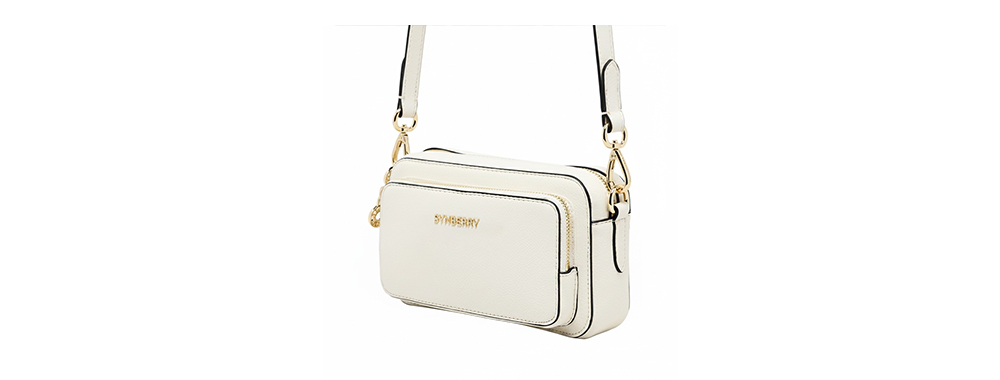
Metalen badges of naamplaatjes worden met klinknagels, schroeven of stiksels aan plantaardig gelooid leer bevestigd. Deze methode overkomt een aantal beperkingen van het leer zelf, waardoor het mogelijk is om meerkleurige afwerkingen, driedimensionale effecten en zelfs verlichte ontwerpen te realiseren.
Praktische overwegingen:
Niet aanbevolen: Zeefdruk en tampondruk.
Wij raden af om zeefdruk of tampondruk rechtstreeks op plantaardig gelooid leer aan te brengen. De redenen hiervoor zijn eenvoudig:
A: Dit zijn geen vergelijkbare begrippen, omdat ze verschillende aspecten van leer beschrijven. Topnerfleer verwijst naar de laag van de huid die gebruikt wordt, terwijl plantaardig looien verwijst naar het looiproces. Een stuk topnerfleer kan plantaardig gelooid of chroomgelooid zijn. Hoewel hoogwaardig plantaardig gelooid leer doorgaans gemaakt is van hoogwaardige volnerfhuiden, betekent "plantaardig gelooid" niet automatisch "topnerfleer".
A: Wat looimiddelen betreft, zijn plantaardige looistoffen inderdaad natuurlijker en biologisch afbreekbaarder dan chroomzouten. De milieuduurzaamheid moet echter gedurende de gehele levenscyclus van het product worden beoordeeld. Factoren zoals de afvalwaterzuivering in de leerlooierij, de aanwezigheid van zware metalen in de kleurstoffen en de samenstelling van de conditionerende oliën die tijdens het onderhoud worden gebruikt, spelen hierbij een belangrijke rol. Waar mogelijk is het raadzaam om leer te betrekken van leerlooierijen die gecertificeerd zijn door de Leather Working Group (LWG).
A: Natuurlijk plantaardig gelooid leer biedt weinig tot geen waterbestendigheid. Om de waterdichtheid te verbeteren, moeten na het looien waterdichtingsmiddelen of -wassen worden aangebracht. Dit verandert echter het ademend vermogen en de natuurlijke textuur van het leer en tast de kenmerkende onbehandelde uitstraling aan. Als het product bedoeld is voor frequent gebruik in regenachtige omstandigheden, is chroomgelooid leer met een beschermende afwerking over het algemeen een betere keuze.
A: De prijs van plantaardig gelooid leer hangt hoofdzakelijk af van drie factoren:
Plantaardig gelooid leer, gemaakt van hoogwaardige huiden met behulp van traditionele, langdurige looiprocessen, is aanzienlijk duurder dan leer dat geproduceerd wordt met snellere looimethoden. Dit resulteert in merkbare prijsverschillen in de eindproducten.
A: U kunt echt plantaardig gelooid leer herkennen aan de hand van de volgende vier methoden:
A: Hier volgen enkele praktische onderhoudstips om plantaardig gelooide lederproducten in optimale conditie te houden. Merken worden aangemoedigd om deze aanbevelingen in hun productonderhoudsinstructies op te nemen.
Plantaardig gelooid leer is geen industrieel materiaal dat zomaar zonder nadenken gebruikt kan worden. Het is eerder een langetermijnproject waarbij het merk, de fabrikant en de eindgebruiker betrokken zijn. De stevigheid, kleurveranderingen, zichtbare markeringen en de zich ontwikkelende patina vormen zowel de beperkingen als de grootste aantrekkingskracht.
Als OEM-fabrikant van tassen met meer dan 30 jaar ervaringWij hebben altijd geloofd dat er geen universeel "goed" of "slecht" materiaal bestaat, maar alleen het materiaal dat het meest geschikt is voor een bepaald doel. Als uw merk draait om snelheid, nieuwheid en standaardisatie, is plantaardig gelooid leer misschien niet de ideale keuze. Maar als uw merk een verhaal vertelt over tijd, vakmanschap, textuur en kameraadschap, dan is plantaardig gelooid leer wellicht de meest authentieke verhalenverteller.
| Auteur | ||||||
|
Lees verder, blijf op de hoogte, abonneer u en wij heten u van harte welkom om ons te vertellen wat u ervan vindt.




auteursrechten
@2024 Synberry Bag & Package Products Co.,Ltd Alle rechten voorbehouden
.
 NETWERK ONDERSTEUND
Sitemap / bloggen / Xml / Privacybeleid