
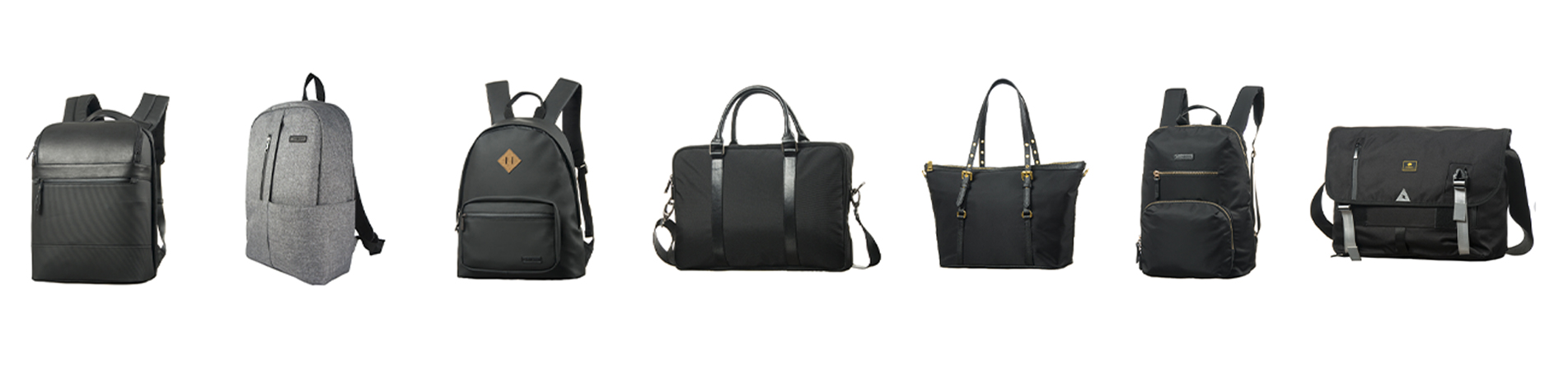
De tassenindustrie ondergaat een materiaalrevolutie, gedreven door het concept van duurzaamheid. De afgelopen tien jaar zijn termen als 'biologisch katoen' en 'gerecycled polyester' alomtegenwoordig geworden in productcatalogi van merken. Tegenwoordig maakt echter een geavanceerder concept de overstap van laboratoria naar productielijnen: biobased synthetische materialen.
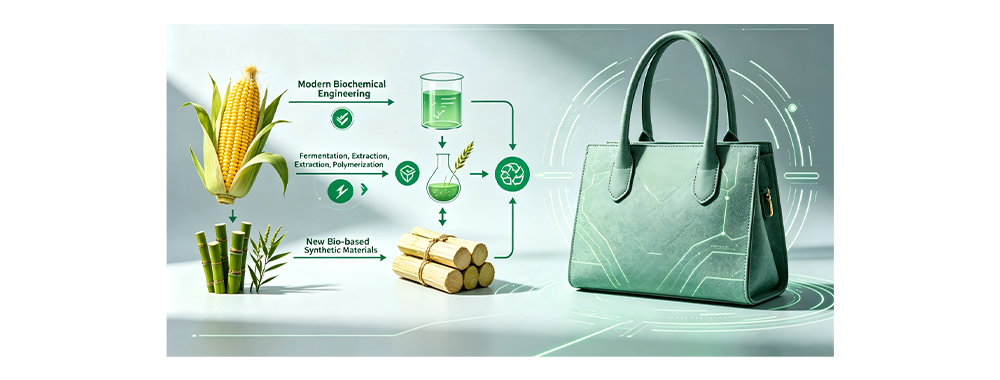
Dit is geen simpele terugkeer naar natuurlijke vezels, noch zijn het louter gerecyclede versies van traditionele kunststoffen. In plaats daarvan maken ze gebruik van moderne biochemische technologieën om suikers te winnen uit planten zoals maïs, suikerriet en stro, en vervolgens processen zoals fermentatie en polymerisatie toe te passen om polymere materialen te synthetiseren waarvan de structuur en prestaties vrijwel identiek zijn aan die van conventionele kunststoffen op basis van aardolie.
Voor merken betekent dit een nieuwe kans om over te stappen van "op aardolie gebaseerde chemie" naar "biochemische chemie", en het biedt de tassenindustrie tevens extra mogelijkheden om de doelstellingen voor CO2-reductie te behalen en duurzame ontwikkelingen te realiseren.
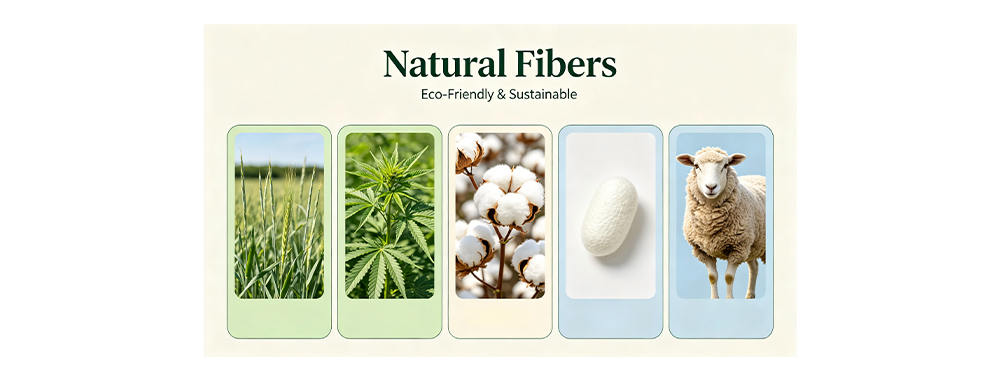
In zijn thematisch onderzoek naar biobased textiel stelt het Gemeenschappelijk Onderzoekscentrum (JRC) van de Europese Unie dat biobased vezels kunnen worden onderverdeeld in drie categorieën: natuurlijke vezels, semi-synthetische vezels en biobased synthetische vezels. Deze drie categorieën worden vaak door elkaar gehaald, maar het onderscheid ertussen is cruciaal voor merken en fabrikanten.
Linnen, hennep, katoen, wol en zijde vallen allemaal in deze categorie. Ze worden rechtstreeks van planten of dieren verkregen en behouden grotendeels hun natuurlijke polymeerstructuur.
Voordat katoen wijdverspreid raakte, waren linnen en hennep de belangrijkste textielvezels in Europa. Ze waren goed aangepast aan de lokale ecosystemen en konden ook dienen als wisselgewassen om de bodemgezondheid te verbeteren.
Voor de tassenindustrie liggen de voordelen van natuurlijke vezels in hun gevestigde toeleveringsketens en hun merkbare milieuvriendelijke eigenschappen. Hun beperkingen zijn echter ook duidelijk: sterkte, waterbestendigheid en ontwerpflexibiliteit zijn vaak inferieur aan die van synthetische materialen.
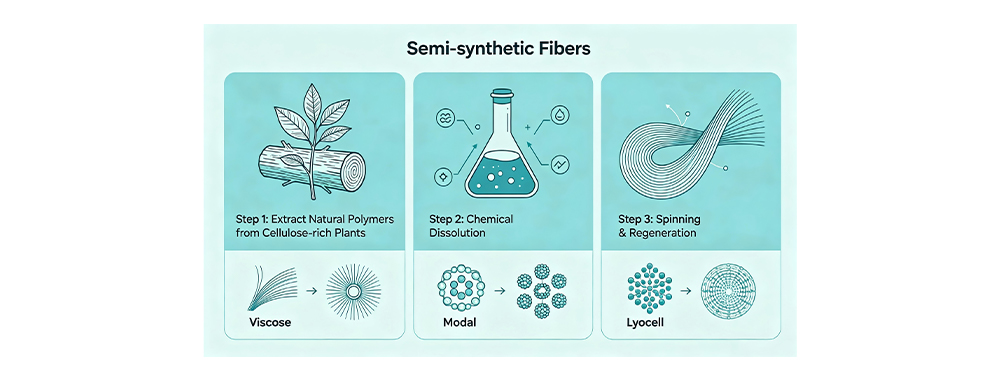
Viscose, modal en lyocell zijn typische voorbeelden. Ze worden gemaakt door natuurlijke polymeren (cellulose) te winnen uit plantaardige bronnen zoals hout, gevolgd door chemische oplossing en vezelregeneratie via spinprocessen.
De vroege productie van viscosevezels ging gepaard met aanzienlijke uitstoot van giftige chemicaliën. Moderne processen zijn echter aanzienlijk verbeterd, met name door gesloten productiesystemen die gebruikmaken van gecertificeerd hout en landbouwresten.
In de tassenindustrie worden semi-synthetische vezels vaak gebruikt voor voeringen of lichte zomertassen. Ze voelen zacht aan en zijn goed ademend, maar hebben een relatief lage vochtbestendigheid, waardoor ze ongeschikt zijn voor dragende onderdelen.
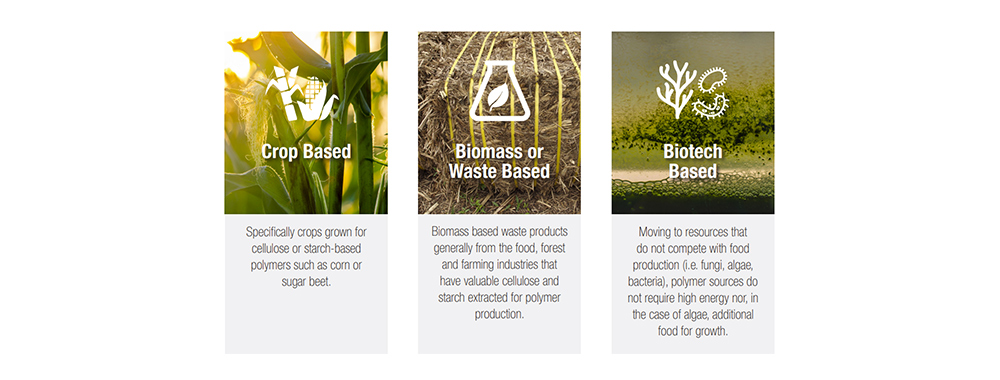
De kernlogica van biobased synthetische materialen is het extraheren van monomeren met kleine moleculen uit hernieuwbare biomassa (zoals maïszetmeel, suikerriet, ricinusolie, lignine, algen, enz.) en vervolgens het gebruik van chemische polymerisatiereacties om volledig nieuwe polymeerverbindingen te reconstrueren.
Het JRC definieert ze als "een relatief nieuwe innovatie, ontworpen om synthetische vezels van fossiele oorsprong te vervangen". Met andere woorden, hun uiteindelijke chemische structuur kan volledig nieuw zijn of sterk lijken op materialen op basis van aardolie – het enige verschil is dat de koolstofbron verschuift van ondergrondse fossiele brandstoffen naar bovengrondse plantaardige biomassa.
Bijvoorbeeld:
Dit is een van de meest voorkomende misverstanden tussen merken en consumenten, en het is een belangrijk onderscheid dat tassenfabrikanten duidelijk aan hun klanten moeten uitleggen.
“Bio-gebaseerd” verwijst naar de bron van de grondstofterwijl "biologisch afbreekbaar" verwijst naar de Het lot van het materiaal na verwijdering aan het einde van de levensduur.Er is geen noodzakelijk verband tussen de twee.
Neem bijvoorbeeld biobased polyethyleen (biobased PE): de grondstof is afkomstig van ethanol uit suikerriet, maar na polymerisatie is de chemische structuur identiek aan die van PE op basis van aardolie. Dit betekent dat het alle voordelen van PE behoudt – waterbestendigheid, chemische bestendigheid en hoge sterkte – maar ook de nadelen ervan overneemt: het is in de natuur vrijwel niet biologisch afbreekbaar.
Omgekeerd is PBAT (een composteerbaar plastic) biologisch afbreekbaar, maar een deel van de grondstoffen is afkomstig van fossiele brandstoffen.
Wanneer een klant daarom vraagt om 'biobased materialen', moeten merken zich een belangrijke vervolgvraag stellen: wilt u de afhankelijkheid van aardolie verminderen, of is het essentieel dat het materiaal uiteindelijk biologisch afbreekbaar is? Deze twee doelen corresponderen met totaal verschillende technologische trajecten en kostenstructuren.
Hieronder volgen de belangrijkste categorieën die momenteel commercieel haalbaar en direct toepasbaar zijn op de productie van tassen, gerangschikt naar volwassenheidsniveau:
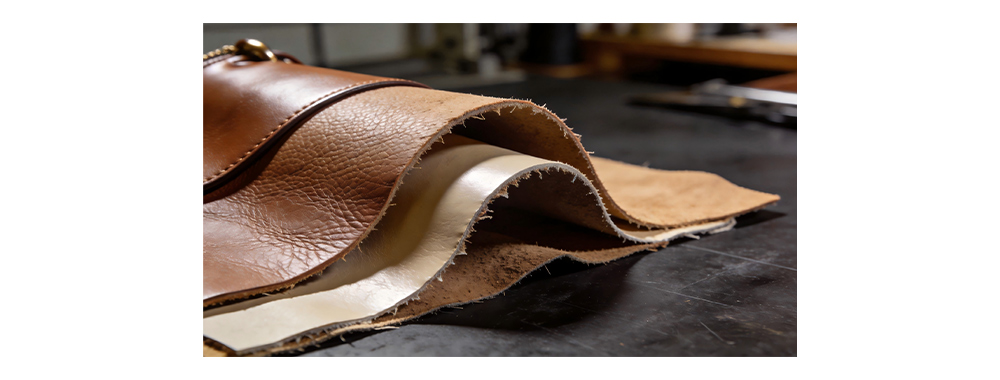
Dit is momenteel het meest toegankelijke instapmoment voor de zakkenindustrie. Traditioneel polyurethaan (PU) wordt geproduceerd door de reactie van op aardolie gebaseerde polyolen en isocyanaten. Biobased PU vervangt daarentegen een deel van de op aardolie gebaseerde componenten door polyolen afkomstig van plantaardige oliën zoals sojaolie, ricinusolie en cashewnotenolie.
Toepassingen in tassen:
Huidige status:
Het biobased gehalte varieert doorgaans van 20% tot 70%. De textuur en fysieke eigenschappen benaderen al die van producten op aardoliebasis, maar de productiecapaciteit en de beschikbaarheid van kleuren zijn nog enigszins beperkt. Het is raadzaam dat merken het exacte biobased gehalte en de aanpassingsmogelijkheden vooraf met leveranciers afstemmen en de juiste oplossingen selecteren op basis van de productpositionering.
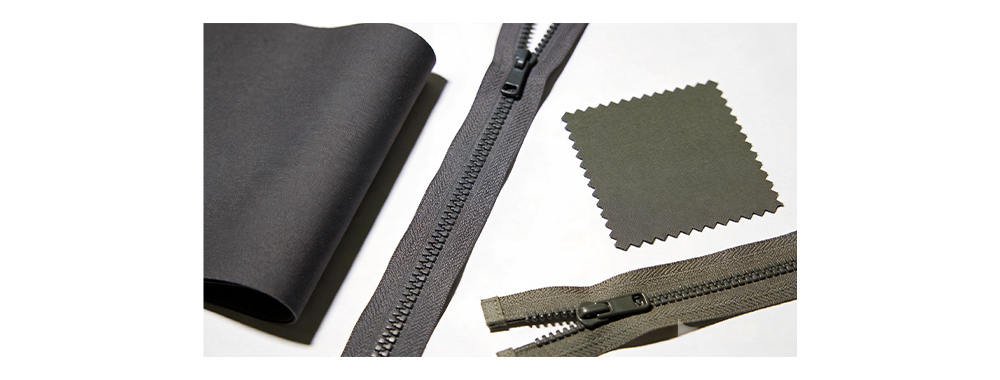
Vezels gemaakt van biobased polyamide (PA) worden al gebruikt in producten van internationaal bekende tassenmerken.
Toepassingen in tassen:
Huidige status:
De prestaties voldoen al aan de eisen van de meeste toepassingen voor tassen. De productiecapaciteit en het kleurenaanbod zijn echter nog steeds minder uitgebreid dan bij traditioneel PA6/PA66.
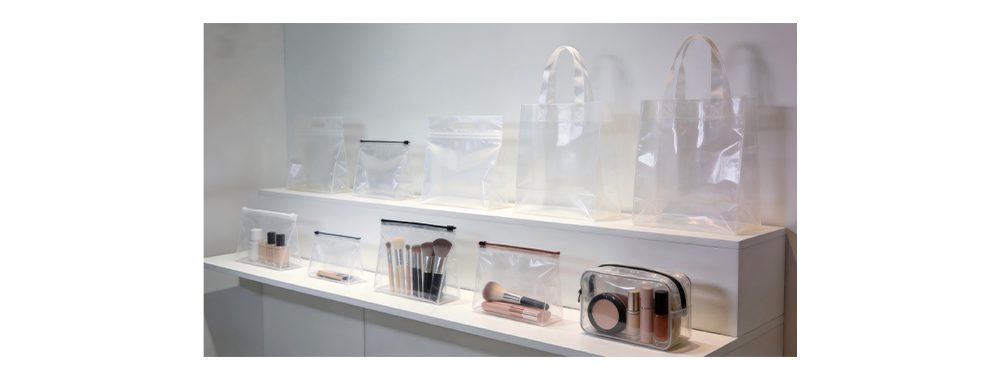
PLA is momenteel de enige 100% biobased synthetische vezel die op grote schaal commercieel wordt geproduceerd. Het biedt een hoge transparantie, is thermovormbaar en biologisch afbreekbaar onder industriële composteeromstandigheden.
Toepassingen in tassen:
Beperkingen:
PLA heeft een relatief lage hittebestendigheid (doorgaans onder de 60 °C). Het is ook gevoelig voor hydrolyse onder warme en vochtige omstandigheden, waardoor het ongeschikt is voor omgevingen met hoge temperaturen of voor onderdelen die langdurig een dragende functie hebben.
DuPont's Sorona® is een typisch voorbeeld. Het 1,3-propaandiol (PDO) monomeer wordt gewonnen uit maïsfermentatie en vervolgens gepolymeriseerd met tereftaalzuur om PTT-vezels te vormen.
Toepassingen in tassen:
Huidige status:
Het wordt vaak gebruikt in mengsels met katoen of gerecycled polyester.
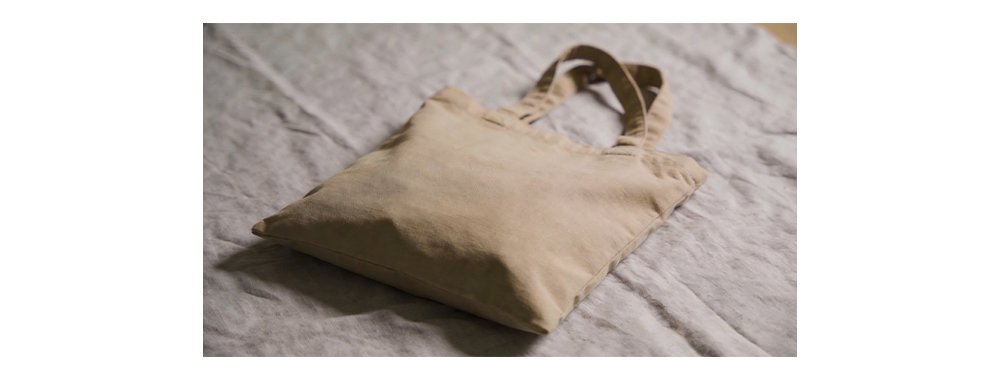
Dit is een van de meestbesproken nieuwe materialen. Het wordt gemaakt door paddenstoelmycelium te kweken op landbouwafval, waardoor plaatachtige materialen ontstaan die op leer lijken. Merken zoals Stella McCartney, Adidas en Hermès hebben samenwerkingen en proeven met dit materiaal onderzocht.
Toepassingen in tassen:
Huidige status:
De productiecapaciteit is nog beperkt, waardoor het meer geschikt is voor kleine series premiumproducten of conceptuele producten.
Momenteel bestaat er geen uniforme wereldwijde certificeringsstandaard voor biobased synthetische materialen. Verschillende regio's en organisaties hebben hun eigen certificeringssystemen geïntroduceerd, elk met een eigen focus. De meest gebruikte certificeringen zijn onder andere:
Deze certificeringen zijn niet alleen vereist voor exportnaleving, maar dienen ook als geloofwaardig bewijs van de milieuvriendelijke eigenschappen van het materiaal voor klanten. Het is belangrijk om te weten dat verschillende certificeringen zich op verschillende aspecten richten: sommige certificeren alleen de biobased inhoud, terwijl andere ook de duurzaamheid van de teelt van grondstoffen en de productieprocessen beoordelen. Merken kunnen daarom de juiste certificering kiezen op basis van hun doelmarkt en klantbehoeften, zonder blindelings meerdere overlappende certificeringen na te streven.
Vraag 1: Wat is het belangrijkste verschil tussen biobased synthetische materialen en traditionele materialen op basis van aardolie?
A: Het fundamentele verschil zit hem in de bron van de koolstof.
De grondstoffen hiervoor zijn afkomstig van fossiele brandstoffen die onder de grond zijn opgeslagen (zoals olie en aardgas). De koolstof in deze grondstoffen is miljoenen jaren lang onder de grond bewaard gebleven. De winning en het gebruik ervan leiden tot de uitstoot van "geologische koolstof", waardoor de totale hoeveelheid koolstofdioxide in de atmosfeer toeneemt.
Hun grondstoffen zijn afkomstig van hedendaagse biologische bronnen (zoals maïs, suikerriet, stro en algen). De koolstof die ze bevatten, wordt uit de atmosfeer vastgelegd door middel van fotosynthese van de plant, waardoor ze deel uitmaken van de "moderne koolstofcyclus".
Vraag 2: Presteren biobased synthetische materialen slechter dan materialen op basis van aardolie?
A: Dat hangt af van het specifieke materiaalsoort en het toepassingsscenario.
Biobased PE en PET hebben vrijwel identieke moleculaire structuren als hun op aardolie gebaseerde tegenhangers. Daardoor kunnen de treksterkte, scheurweerstand en hittebestendigheid vergelijkbaar blijven.
Biobased PLA heeft een relatief laag smeltpunt (rond de 150-160 °C). Dit betekent dat de verwerkingsparameters moeten worden aangepast voor toepassingen zoals persen bij hoge temperaturen of lassen met hoge frequentie.
Sommige biobased PU-materialen kunnen bij langdurige blootstelling aan UV-licht iets sneller vergelen dan PU op aardoliebasis. Dit kan worden verbeterd door het gebruik van additieven.
Algemeen: Op biobased materialen gebaseerd materiaal voldoet al aan de prestatie-eisen van de meeste standaard zaktoepassingen. In extreme omstandigheden (hoge temperaturen, sterke zuren of basen, of langdurige blootstelling aan UV-straling buitenshuis) zijn echter nog steeds materiaalspecifieke testen en validatie nodig.
Vraag 3: Zijn plantaardige materialen en biobased materialen hetzelfde concept?
A: In de meeste consumentencontexten worden de twee termen door elkaar gebruikt. Strikt genomen is 'plantaardig' echter een subcategorie van 'biobased', en het toepassingsgebied van biobased materialen is breder.
De grondstoffen zijn uitsluitend afkomstig van planten (zoals maïs, suikerriet, katoen en bamboe).
De grondstoffen kunnen afkomstig zijn van een breed scala aan biologische bronnen, waaronder planten, dieren, algen, micro-organismen en zelfs landbouwafval en voedselresten.
Vraag 4: Hoe kunnen consumenten zien of een tas daadwerkelijk van biobased materialen is gemaakt?
A: De meest betrouwbare manier is om te controleren. certificeringslabels van derdenin plaats van uitsluitend te vertrouwen op marketingclaims.
Algemeen erkende internationale certificeringen zijn onder meer:
Geeft het specifieke percentage biobased inhoud aan.
Producten worden ingedeeld in drie niveaus: 20-50%, 50-85% en >85% biobased gehalte.
Hanteert een beoordelingssysteem met 1 tot 4 sterren.
Authentieke biobased producten tonen doorgaans duidelijk certificeringsmerken en het percentage biobased ingrediënten op de labels of wasvoorschriften.
Vraag 5: Hoe wordt het "biobased gehalte" op productetiketten gemeten?
A: De wereldwijd geaccepteerde testmethode is radiokoolstofanalyse (Koolstof-14-analyse), gebaseerd op normen zoals ASTM D6866 En ISO 16620.
Het principe is relatief eenvoudig: alle levende organismen (planten en dieren) nemen atmosferische koolstof-14 op via fotosynthese of de voedselketen gedurende hun leven. Fossiele brandstoffen daarentegen zijn extreem oud en de koolstof-14 die ze bevatten is volledig vervallen.
Door de hoeveelheid koolstof-14 in een monster te meten, is het mogelijk om het percentage biobased koolstof in het totale organische koolstofgehalte nauwkeurig te berekenen.
Als bijvoorbeeld een stof getest wordt en blijkt te beschikken over... 35% biobased koolstofgehalteDit betekent dat 35% van de organische koolstof in dat materiaal afkomstig is van hernieuwbare biologische bronnen in plaats van aardolie.
Verder lezen:
Wat is biologisch katoen?
https://www.synberry.com/organic-cotton-in-bag-manufacturing
Wat is rPET?
https://www.synberry.com/guide-to-rpet-fabric
Wat is gerecycled nylon?
https://www.synberry.com/why-brands-are-switching-to-recycled-nylon-for-bag-manufacturing
| Auteur | ||||||
|
Lees verder, blijf op de hoogte, abonneer u en wij heten u van harte welkom om ons te vertellen wat u ervan vindt.




auteursrechten
@2024 Synberry Bag & Package Products Co.,Ltd Alle rechten voorbehouden
.
 NETWERK ONDERSTEUND
Sitemap / bloggen / Xml / Privacybeleid