Het ontwerpen van het rugpand van een rugzak verwijst naar een systematisch ontwerp- en ontwikkelingsproces dat zich richt op de structuur, materialen en het ventilatiesysteem van het rugpand. Het doel is om de optimale balans te bereiken tussen drie essentiële prestatiefactoren: ondersteuning, ergonomische pasvorm en ademend vermogen.
Een rugzak kan gemaakt zijn van hoogwaardige stoffen, soepele ritsen hebben en er aantrekkelijk uitzien, maar als het rugpand warm, stijf aanvoelt of aan de rug plakt, zullen de meeste consumenten hem waarschijnlijk geen tweede keer gebruiken. In de praktijk is het rugpand het eerste onderdeel van de rugzak dat gebruikers echt ervaren. Het bepaalt of de rugzak licht of zwaar aanvoelt, ademend of zweterig, ondersteunend of juist oncomfortabel. Daarom worden sommige rugzakken geprezen om hun draagcomfort gedurende de hele dag, terwijl andere gebruikers na slechts 20 minuten dragen al last bezorgen van pijnlijke schouders en rug.
Het creëren van een uitstekend rugpand is allesbehalve eenvoudig. Een rugpand dat ontworpen is voor stevige ondersteuning wordt vaak stijver en minder ademend. Prioriteit geven aan ventilatie kan daarentegen de structurele ondersteuning gemakkelijk in gevaar brengen, waardoor het rugpand kan vervormen of instorten bij langdurig gebruik met een hoge belasting. Alleen door herhaaldelijk de structurele configuraties, materiaalcombinaties en laagconstructie te verfijnen, kunnen fabrikanten een rugpand ontwikkelen dat een evenwichtige draagervaring biedt.
Als OEM/ODM-fabrikant van rugzakken met meer dan 30 jaar productie-ervaring beschouwen we de engineering van het rugpand altijd als een van de meest cruciale aspecten van rugzakontwikkeling. Door onze oplossingen continu te verfijnen rond de drie kernfuncties – ondersteuning, ademend vermogen en ergonomische pasvorm – helpen we merken bij het creëren van rugzakken die bewezen comfort, betrouwbare prestaties en consistent positieve gebruikersfeedback bieden.
Inhoudsopgave
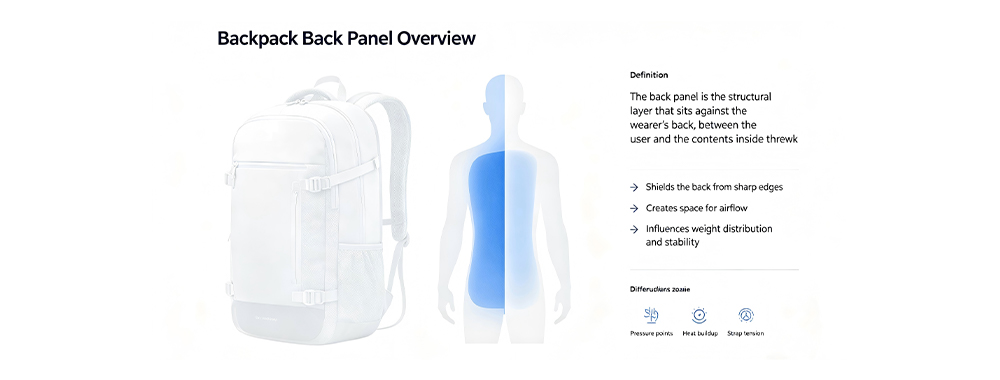
Het rugpand van een rugzak is de structurele laag die tegen de rug van de gebruiker rust, tussen de drager en de inhoud van de rugzak. Het bepaalt hoe de belasting over de rug wordt verdeeld, hoe warmte wordt afgevoerd en hoe stabiel de rugzak blijft tijdens het bewegen.
Als het rugpand slecht ontworpen is, kunnen gebruikers de scherpe randen van een laptop of de harde hoeken van boeken in hun rug voelen drukken. Warmte en zweet kunnen zich snel ophopen, waardoor de rug warm en oncomfortabel aanvoelt, terwijl de schouderbanden in de schouders kunnen gaan snijden, wat het draagcomfort vermindert.
De menselijke rug is niet plat. De wervelkolom steekt uit, de schouderbladen wijzen naar buiten en de onderrug buigt naar binnen. Onder belasting kan elk stijf voorwerp in de rugzak – zoals de hoek van een laptop, de harde kaft van een boek of een powerbank – geconcentreerde drukpunten op de rug van de gebruiker veroorzaken.
De belangrijkste technische taak van een rugpand van een rugzak is het omzetten van deze geconcentreerde drukpunten in een gelijkmatig verdeelde oppervlaktedruk door de elastische vervorming van de schuimlagen. Dit verbetert het draagcomfort aanzienlijk door de plaatselijke belasting van de rug te verminderen.
Een belangrijk concept hierbij is de compressiecurve van het schuim. Een ideaal rugpaneel van schuim moet zacht blijven en zich comfortabel aanpassen aan de rug van de gebruiker bij lichte belasting, geleidelijk steviger worden om structurele ondersteuning te bieden bij gemiddelde belasting, en voldoende dikte behouden bij zware belasting zonder door te zakken.
Om deze prestaties te bereiken is doorgaans een meerlaagse schuimconstructie nodig in plaats van slechts één dikke laag schuim. Een veelgebruikte technische aanpak is het combineren van een buitenste schuimlaag met lage dichtheid voor zachtheid en comfort met een binnenste schuimlaag met hoge dichtheid voor structurele ondersteuning. Hierdoor biedt het rugpand zowel demping als stabiliteit onder verschillende belastingomstandigheden.

Het tweede technische doel van een rugpand van een rugzak is het tegengaan van verdraaiing en achterwaartse trekkracht. Wanneer gebruikers lopen, draaien of trappen beklimmen, genereert de inertie van de inhoud van de rugzak beweging en verschuivende krachten. Als het rugpand te zacht is, heeft de rugzak de neiging om naar achteren en naar beneden te zakken, waardoor de schouderbanden extra spanning te verduren krijgen en uiteindelijk schoudervermoeidheid ontstaat.
Een goed ontworpen rugpand moet voldoende stijfheid in het vlak bieden. Het moet in verticale richting zacht en dempend zijn om druk te absorberen, terwijl het in horizontale richting zijn vorm behoudt en vervorming tegengaat. Deze balans zorgt ervoor dat de rugzak stabiel op de rug van de gebruiker blijft, waardoor ongewenste bewegingen worden geminimaliseerd en het draagcomfort wordt verbeterd.
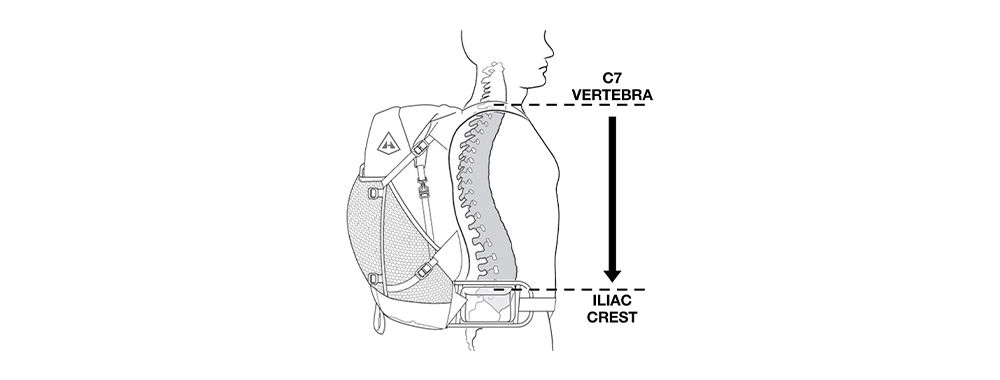
De rug is een van de belangrijkste plekken in het lichaam voor warmteafvoer. Wanneer het rugpand van een rugzak volledig tegen de rug van de gebruiker aanligt, ontstaat er een microklimaat Op het contactoppervlak – waar de temperatuur stijgt, de luchtvochtigheid verzadigd raakt en de luchtcirculatie stopt – is het eigenlijke doel van een luchtstroomkanaal niet alleen om het achterpaneel er hightech uit te laten zien, maar om een continue luchtstroom te creëren.
Luchtstroomkanalen hebben echter een contra-intuïtieve eigenschap: Diepte is belangrijker dan breedte. Ondiepe kanalen (2-3 mm) worden onder belasting bijna volledig samengedrukt, waardoor ze hun ventilatiefunctie verliezen. Diepere kanalen (5-8 mm), in combinatie met verhoogde ribben, kunnen daarentegen zelfs onder zware belasting open blijven en een effectieve luchtstroom behouden.
Dit verklaart waarom veel rugzakken die ogenschijnlijk ventilatiekanalen hebben, toch warm en klammig aanvoelen tijdens gebruik: de luchtkanalen zijn vanuit technisch oogpunt gebrekkig.
Hoe kunnen deze drie technische doelstellingen – ondersteuning, ergonomische pasvorm en ademend vermogen – in één enkel rugpand worden bereikt?
In de volgende paragrafen zullen we de kernelementen van de constructie van een rugpaneel voor rugzakken één voor één bespreken, van structurele ontwerpen en materiaalkeuze tot de constructie van luchtkanalen, zodat u de technische details achter de bouw van een hoogwaardig rugpaneel voor uw rugzak beter begrijpt.
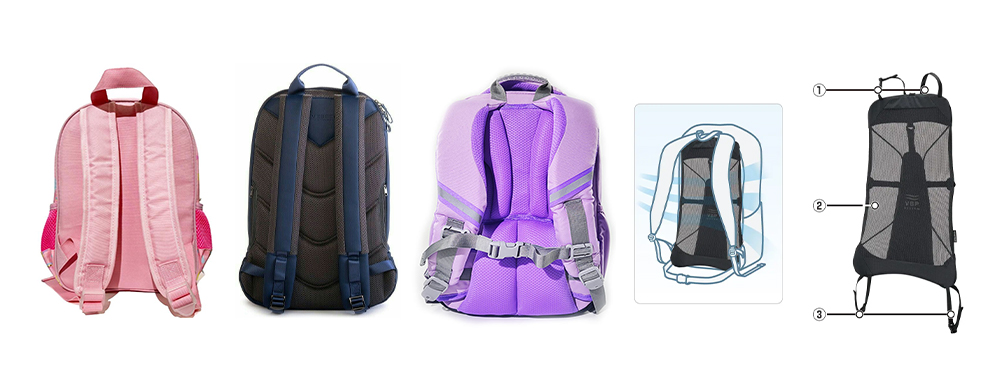
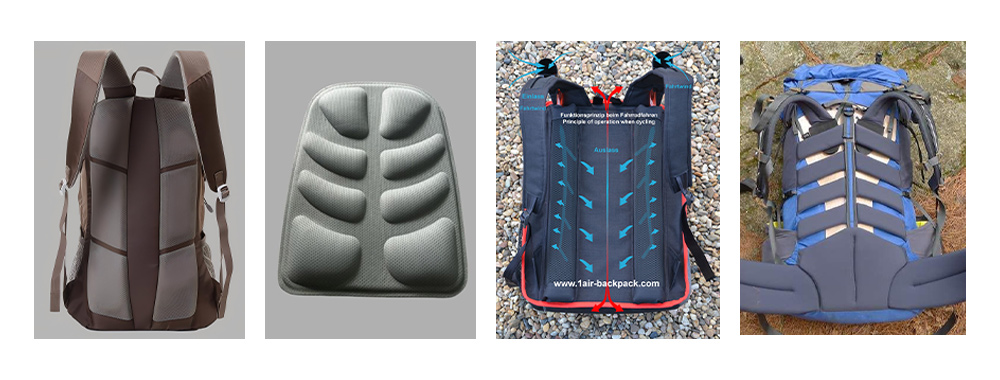
Op basis van de drie hierboven besproken technische dimensies kunnen rugzakrugzakken die op de markt verkrijgbaar zijn, over het algemeen worden onderverdeeld in vier structurele archetypen:
Structuurtype | Kernkenmerken | Drukbeheersing | Warmte- en vochtbeheer | Dynamische stabiliteit | Typische toepassingen |
Platte, gewatteerde rugplaat | Enkellaags schuim met stoffen voering | Basis | Arm | Zwak | Lichtgewicht rugzakken, kinderrugzakken |
Achterpaneel van gegroefd schuim | Gegoten of uitgesneden ventilatiekanalen | Goed | Gematigd | Gematigd | Rugzakken voor dagelijks woon-werkverkeer, schooltassen |
Achterpaneel met zoneondersteuning | Schuim met meerdere dichtheden en zoneondersteuning. | Uitstekend | Goed | Goed | Reisrugzakken, laptoprugzakken |
Achterpaneel van het ophangframe | Gespannen gaas met een stijf frame | Goed | Uitstekend | Uitstekend | Outdoor rugzakken, wandelrugzakken |
Aanbevelingen voor de productkeuze: Duurder betekent niet altijd beter – de juiste keuze hangt af van het beoogde gebruik.
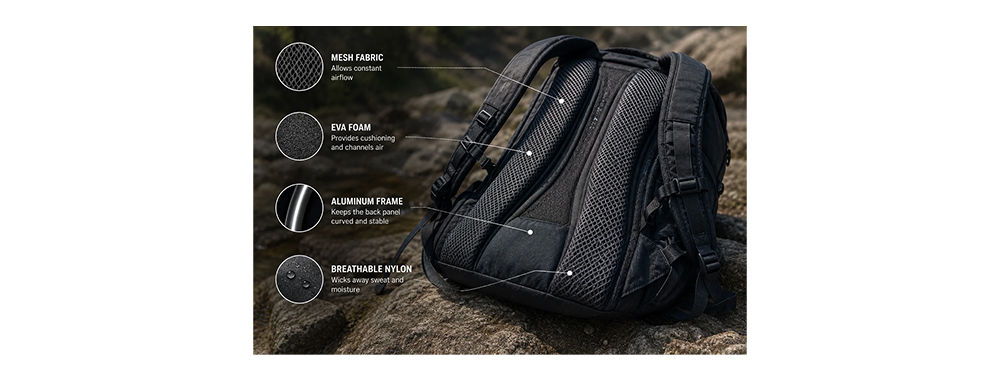
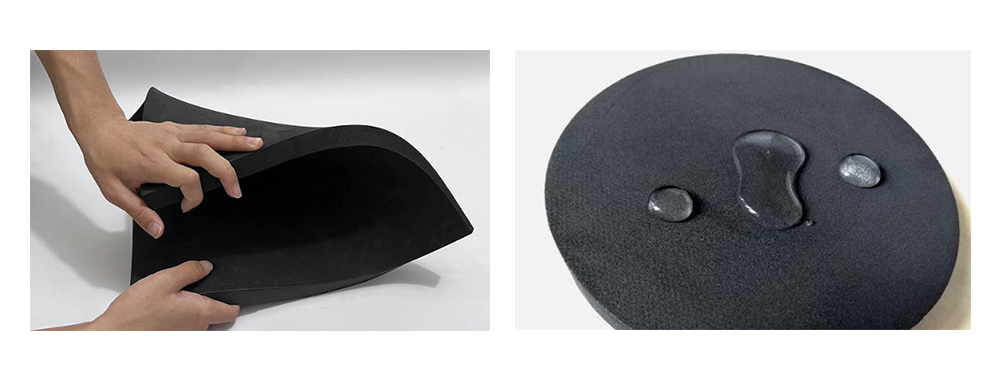
Bij de engineering van achterpanelen, Bij materiaalkeuze gaat het niet om het kiezen van één enkel materiaal, maar om het ontwerpen van een meerlaags systeem waarin verschillende materialen samenwerken om de gewenste prestaties te bereiken. De volgende materialen worden voornamelijk gebruikt in moderne achterpaneelsystemen. en hun respectievelijke technische rollen.
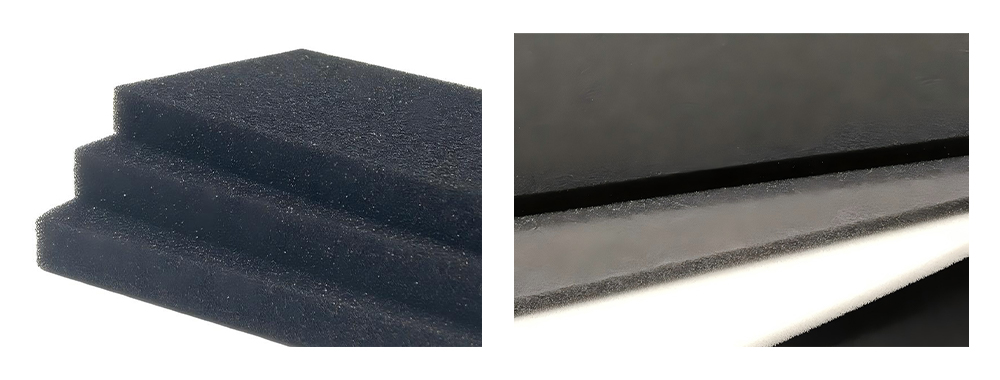
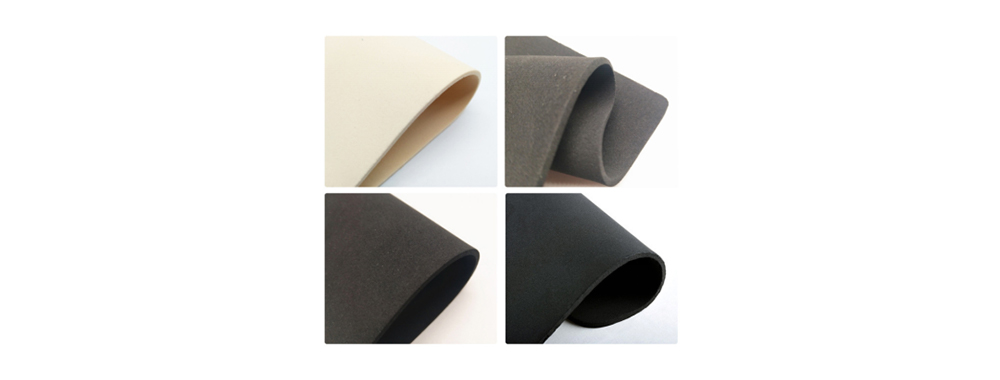
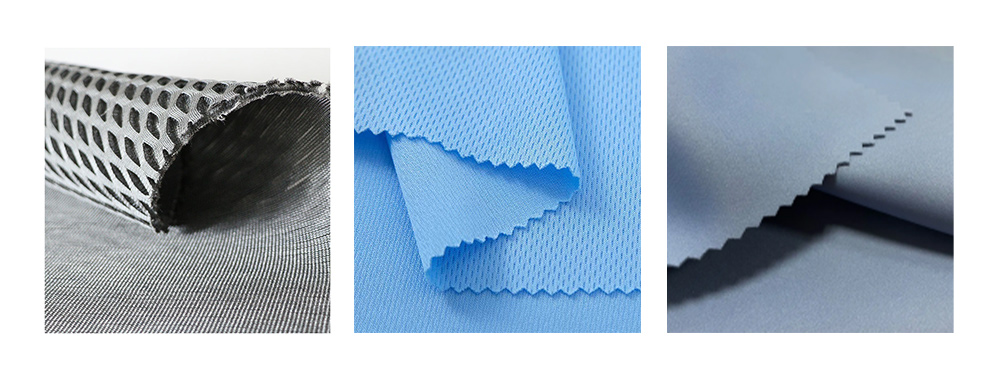
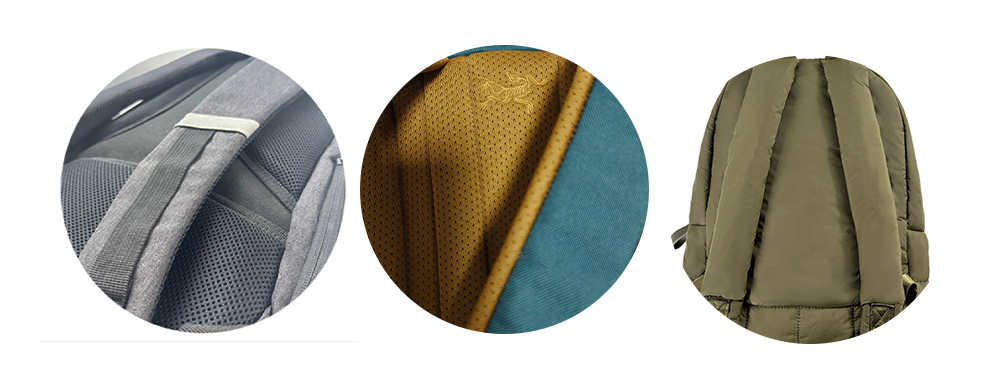
De schuimlagen en luchtkanalen lossen de problemen van ondersteuning en ventilatie op. De directe interface tussen het rugpand van de rugzak en de huid van de gebruiker – de contactlaag—dit bepaalt of zweet snel kan worden afgevoerd, of de wrijving comfortabel blijft en of het materiaal na langdurig gebruik gaat pluizen of vervormen.
Het kiezen van de verkeerde contactlaag kan alle technische inspanningen die in de voorgaande fasen zijn geïnvesteerd, tenietdoen.
Materiaalsoort | Kernkenmerken | Aanbevolen gewicht/dikte | Geschikte toepassingen |
3D-afstandsgaas (sandwichgaasstof) | Twee lagen meshstof verbonden door verticale monofilamentstructuren, die zorgen voor vochttransport, zweetregulatie, schokabsorptie en ademend vermogen. | 250–700 g/m², dikte: 2–8 mm | De universele favoriet, die meer dan 90% van de rugzakcategorieën dekt. |
Vogelogenstof / Kettinggebreid gaas | Lichtgewicht, ademend en kosteneffectief. | 120–180 g/m² | Lichtgewicht, casual rugzakken en tassen, ontworpen voor kortstondig gebruik in de zomer. |
Hetzelfde materiaal als de rest van de rugzak. | Zorgt voor een consistente visuele stijl en behoudt de merkidentiteit. | Gebaseerd op de specificaties van het materiaal van de rugzak. | Modebewuste rugzakken en ontwerpen die de nadruk leggen op een algehele esthetische integratie. |
Praktische aanbevelingen:
Ventilatiekanalen zijn geen decoratieve groeven. Het zijn zorgvuldig ontworpen luchtstroomkanalen die bedoeld zijn om zweetvorming te verminderen, de huidtemperatuur te verlagen en de luchtcirculatie te behouden, zelfs wanneer de rugzak een zware last draagt.
Er zijn twee soorten luchtstroommechanismen:
Kanaaltype | Beschrijving | Prestatieniveau |
Verticale groeven | Rechte verticale luchtstroomkanalen | Goed |
Horizontale groeven | Laterale luchtstroomkanalen | Gematigd |
Kanaal voor rugverlichting | Centrale opening ontworpen om de druk op de wervelkolom te verlichten. | Erg goed |
Ribstructuur met meerdere zones | Verhoogde schuimribben in combinatie met open ventilatiegroeven. | Uitstekend |
Voor de meeste commerciële OEM-projecten geldt dat een Ruggengraatontlastingskanaal gecombineerd met zijdelingse luchtstroomkanalen Kan sterke prestaties leveren zonder buitensporig hoge productiekosten te veroorzaken.
Luchtkanalen zijn niet alleen beter als ze dieper zijn. Ze moeten een bepaalde kritische diepte overschrijden om hun ventilatiefunctie onder belasting te behouden. Gebaseerd op gegevens uit belastingstests:
Belastingsbereik | Minimale effectieve luchtkanaaldiepte | Aanbevolen luchtkanaaldiepte |
3–5 kg | 3 mm | 4–5 mm |
5–8 kg | 4 mm | 5–6 mm |
8–12 kg | 5 mm | 6–8 mm |
12 kg+ | 6 mm | 8–12 mm |
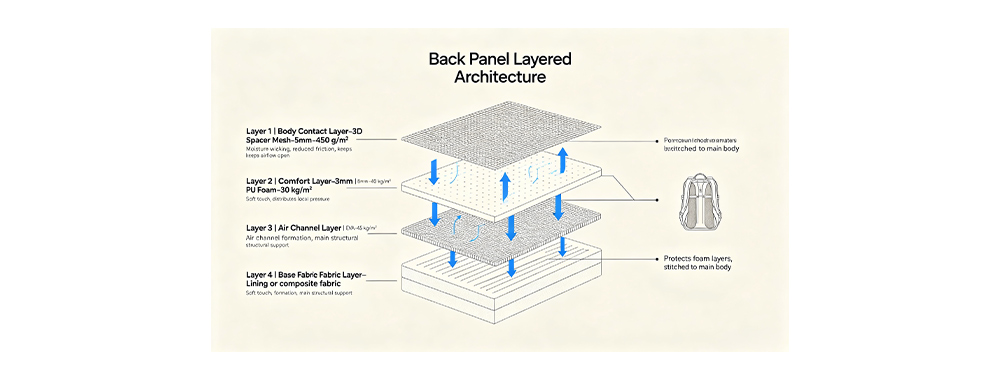
Een rugpand van een rugzak is niet "één enkel stuk materiaal", maar een meerlaags systeem waarbij verschillende componenten samenwerken. Hieronder ziet u een typische gelaagde structuur van een reisrugzak:
Laag 1 (Huidcontactlaag):
3D-afstandsgaas, 5 mm dikte, 450 g/m²
↓ Functie:
Vochttransport, verminderde wrijving van de huid en het openhouden van luchtkanalen.
Laag 2 (Comfortlaag):
3 mm PU-schuim, dichtheid: 30 kg/m³
↓ Functie:
Biedt een zacht, tactiel gevoel en verdeelt de druk plaatselijk.
Laag 3 (Laag met luchtstroomstructuur):
8 mm EVA, dichtheid: 45 kg/m³, met voorgevormde verhoogde ribben en ventilatiekanalen.
↓ Functie:
Het creëert luchtstroomkanalen en biedt de primaire structurele ondersteuning.
Laag 4 (Basislaag achterpaneel):
Voeringstof of composietmateriaal
↓ Functie:
Beschermt de schuimlagen en zorgt door middel van stikwerk voor een stabiele verbinding met de rest van de rugzak.
Ervaringen delen in de maakindustrie:
Het stapelen van meerdere lagen is niet zomaar een kwestie van verschillende materialen achter elkaar aan elkaar lijmen. Het lamineerproces tussen elke laag heeft direct invloed op het uiteindelijke draagcomfort.
Bij rugpanelen met ondersteuning in zones met verschillende dichtheden, moeten de positionering en uitlijning van de schuimcomponenten met verschillende dichtheden vooraf zorgvuldig worden gecontroleerd. Dit helpt verschuiving en vervorming na het vormen te voorkomen en zorgt ervoor dat elke ondersteuningszone nauwkeurig aansluit op de verschillende drukverdelingsgebieden van de menselijke rug.
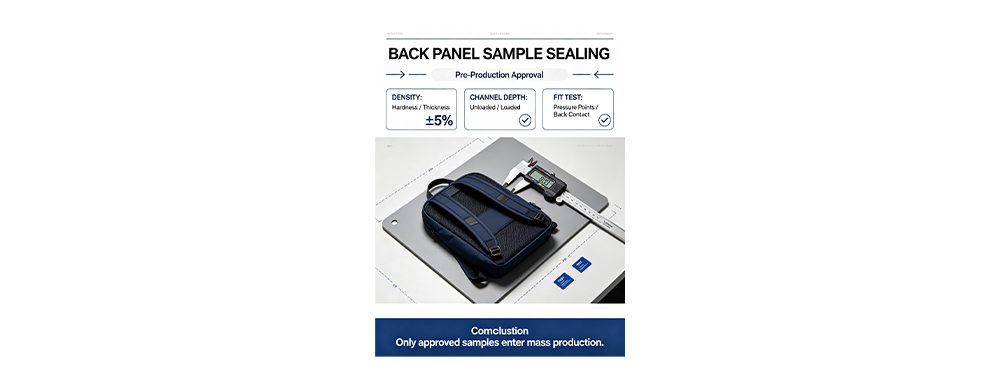
Controleer of de hardheid en dikte van het schuim binnen ±5% van de gespecificeerde streefwaarden liggen om te garanderen dat aan de ontwerpvereisten wordt voldaan.
Test de diepte van de luchtkanalen in onbelaste toestand om de consistentie van het vormproces te controleren. Voer vervolgens een belastingstest uit om de effectieve werkdiepte onder druk te meten en ervoor te zorgen dat de kanalen de vereiste minimale effectieve diepte behouden volgens de prestatienormen.
Tijdens de testfase, waarin de proefmodellen worden goedgekeurd, moeten rugzakken worden getest door gebruikers met verschillende lichaamsvormen en realistische ladingen. Het doel is om dagelijkse gebruiksscenario's te simuleren en potentiële problemen te identificeren, zoals plaatselijke drukpunten, geconcentreerd ongemak of een onvoldoende pasvorm.
Indien er problemen met het comfort of de prestaties worden geconstateerd, dienen de schuimdichtheid of het structurele ontwerp onmiddellijk te worden aangepast. Pas nadat het goedgekeurde prototype volledig aan de ontwerpvereisten voldoet, mag het product in massaproductie worden genomen.
Tijdens de massaproductie moeten alle parameters die tijdens de fase van goedkeuring van de preproductiemonsters zijn vastgesteld, strikt worden nageleefd, en moeten er batchinspecties worden uitgevoerd om een constante kwaliteit te garanderen.
Voor elke partij binnenkomende schuimmaterialen moeten de hardheid en dikte worden gecontroleerd om consistentie te garanderen. Dit voorkomt kwaliteitsverschillen in massaproductie die worden veroorzaakt door verschillen tussen materiaalpartijen. Ook de materialen van de contactlaag moeten steekproefsgewijs worden bemonsterd voor gewichts- en diktecontrole om te bevestigen dat ze aan de vereiste specificaties voldoen.
Fabrikanten zijn verplicht om tijdens het gehele productieproces inspecties uit te voeren om ervoor te zorgen dat elke productiestap voldoet aan de vastgestelde proceseisen.
Volgens de AQL 1.5/4.0-norm worden willekeurig monsters genomen uit afgewerkte, genaaide rugzakken voor een inspectie op uiterlijk en functionaliteit, waaronder:
Daarnaast moeten er draagkrachtproeven worden uitgevoerd op geselecteerde monsters om te bevestigen dat het achterpaneel geen significante vervorming, verlies van draagvermogen of andere structurele gebreken vertoont onder langdurige belasting. Dit helpt voorkomen dat defecte producten op de markt komen.

Parametercategorie | Specifieke items |
Specificaties voor schuim | Materiaalsoort, dikte, dichtheid, hardheid, kleur |
Specificaties van het luchtkanaal | Lay-outpatroon, diepte, breedte, afstand tussen verhoogde ribben, vormmethode |
Specificaties van het gaas | Dikte, gewicht (GSM), vezelsamenstelling, kleur, en of er een anti-pillingbehandeling is toegepast. |
Laminatieproces | Verlijmingsmethode, type lijm |
SYNBERRY is gespecialiseerd in systematisch onderzoek en ontwikkeling van rugpanelen voor rugzakken. Dankzij meer dan 30 jaar technische ervaring in de rugzakproductie bieden we uitgebreide technische ondersteuning gedurende het gehele ontwikkelingsproces aan merkklanten met verschillende positionerings- en toepassingsscenario's.
Mocht u specifieke wensen hebben met betrekking tot het achterpaneel van uw rugzak, neem dan gerust contact met ons op. neem contact met ons op U kunt op elk gewenst moment contact met ons opnemen om de specifieke details van uw project te bespreken.
Vraag 1: Biedt dikker schuim in de rugleuning altijd meer comfort?
A: Niet per se. Te dik schuim kan het gewicht en de omvang van de rugzak vergroten, en als de schuimdichtheid niet goed is afgestemd, kan dikker schuim juist sneller inzakken. De sleutel zit hem in het gecoördineerde ontwerp van schuimdikte, dichtheid en luchtkanalen.
Vraag 2: Waarom voelt het testexemplaar comfortabel aan tijdens het dragen, terwijl de in massa geproduceerde rugzakken te stijf aanvoelen?
A: De meest voorkomende oorzaken zijn variaties in de hardheid van het schuim of inconsistenties in het lamineerproces. Het is belangrijk ervoor te zorgen dat de hardheid van het schuim binnen het gespecificeerde tolerantiebereik blijft en om compressietesten uit te voeren tijdens de goedkeuringsfase van het preproductiemonster.
Vraag 3: Zijn rugpanelen van neopreen geschikt voor gebruik in de zomer?
A: Puur platte neopreen rugpanelen zijn niet ideaal voor gebruik in de zomer, omdat neopreen van nature warmte vasthoudt. Echter, in combinatie met een EVA-ondersteuningslaag, ademende luchtkanalen en 3D-mesh, kunnen neopreen rugpanelen nog steeds een comfortabele draagervaring bieden tijdens zomerse omstandigheden.
Vraag 4: Hoe diep moeten de luchtkanalen zijn om effectief te werken?
A: Voor rugzakken voor dagelijks woon-werkverkeer (5-8 kg draagvermogen) wordt een dikte van 5-6 mm aanbevolen. Voor reisrugzakken (8-12 kg draagvermogen) wordt 6-8 mm aanbevolen. Voor outdoorrugzakken (12 kg+ draagvermogen) wordt 8-12 mm aanbevolen.
De belangrijkste eis is dat na de belastingstest de resterende effectieve diepte van het luchtstroomkanaal niet minder mag zijn dan 70% van de oorspronkelijke diepte.
Vraag 5: Hoe moet de GSM-waarde van een 3D-mesh worden gekozen?
A:
Een gaasachtig materiaal met onvoldoende gewicht kan na verloop van tijd uitrekken en vervormen, waardoor de luchtkanalen bij langdurig gebruik hun effectiviteit verliezen.
Vraag 6: In hoeverre heeft het ontwerp van het rugpand invloed op de totale kosten van een rugzak?
A: Het heeft wel degelijk invloed op de kosten. Door de diepte van de luchtkanalen en het structurele ontwerp te optimaliseren in plaats van simpelweg de materiaaldikte te vergroten, kunnen fabrikanten echter aanzienlijke verbeteringen in het draagcomfort realiseren, terwijl de kosten beheersbaar blijven.
| Auteur | ||||||
|
Lees verder, blijf op de hoogte, abonneer u en wij heten u van harte welkom om ons te vertellen wat u ervan vindt.




auteursrechten
@2024 Synberry Bag & Package Products Co.,Ltd Alle rechten voorbehouden
.
 NETWERK ONDERSTEUND
Sitemap / bloggen / Xml / Privacybeleid